
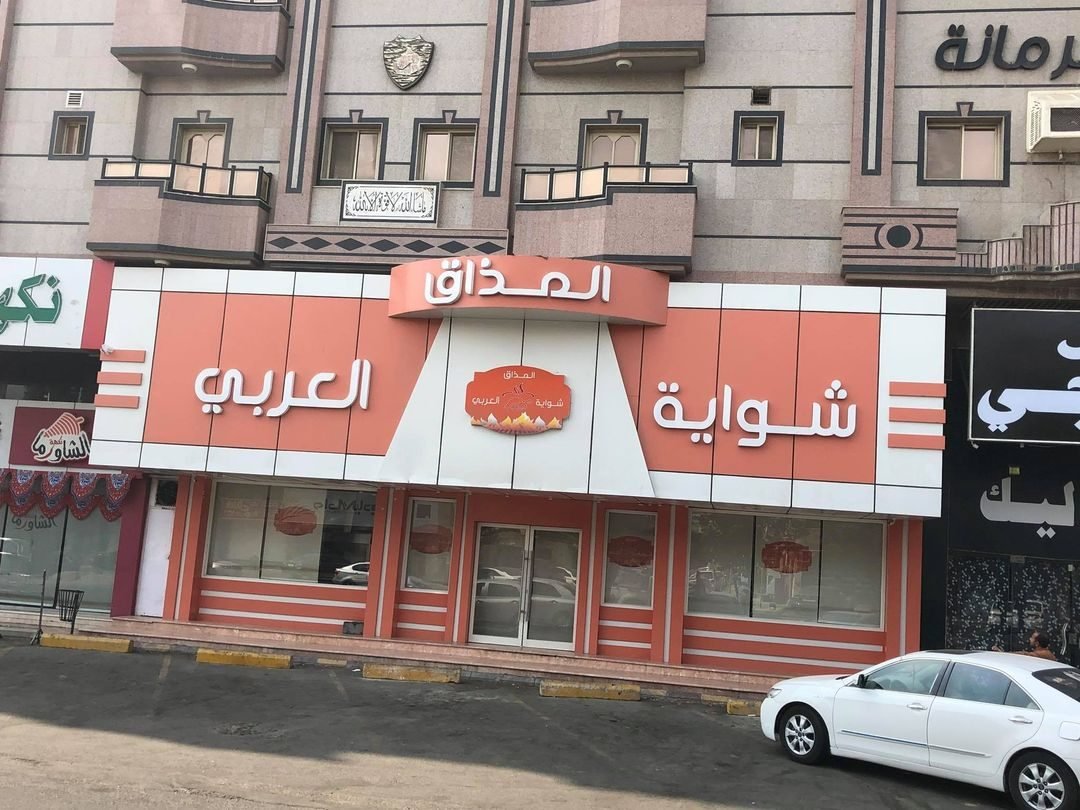
Shop sign prices never come as a fixed list, and the reason is not secrecy. Each sign is made for one facade, with a material, a light, a height and a way of fixing that belong to that wall alone. When a shop owner asks how much a sign costs, the real question is the sum of many small decisions: some are yours, and some are imposed by the building, the mall or the municipality. This guide puts those decisions in order of weight, heaviest first, so that you can read any quote you receive and see where each line of it goes.
It is written for the owner of a shop, restaurant, café or clinic in Saudi Arabia, and for the brand manager fitting out a new branch. It walks through the factors one at a time, gathers them in a table, separates what sits outside the sign maker’s quote, shows how to compare offers line by line and ends with a checklist of what to send for an exact figure. This page holds no figures for shop sign prices, because a figure given before anyone has seen your facade is a figure that will change.
Why shop sign prices do not fit in a table of rates
Suppliers who advertise a rate per metre usually advertise the simplest sign there is: a flat printed board, unlit, on a wall within arm’s reach. Add raised letters, internal lighting or a height that needs lifting equipment and the arithmetic changes from the start. That is why an advertised rate can look attractive and then grow into a very different quote after the site visit, or stay small because half the work was never written into it.
A more useful way to see a sign is as layers stacked on each other. There is the body of the sign and its material, then the lighting and its parts, the structure that carries it, the installation and the access it needs, the paperwork and approvals, and finally what happens after handover. Each layer has its own cost, and each can be built to a higher or a lower standard. A good quote gives every layer a line of its own. A vague quote folds them all into a single figure.
The factors behind shop sign prices, heaviest first
The order below reflects how much each factor usually moves the total of a quote on an ordinary shop front. On a particular building the order can shift: a tall facade can make access weigh more than the material, and a mall can make night work weigh more than the design.
The type of sign: the decision that settles most of the price
The type is the heaviest factor in shop sign prices because it fixes how much hand work the sign needs before anything else is decided. From the simplest to make to the most demanding:
- Flat panel. A board of aluminium composite, acrylic or foam board, with the identity printed on it or cut vinyl letters applied. It needs the least work and suits site hoardings and the weeks before an opening. Its limit is that it disappears at night unless a lamp is aimed at it.
- Light box. A box lit from inside with a single face. It gives a lot of light for less work than separate letters, because the box is made once however many characters sit on its face.
- Raised letters, unlit. Every letter is cut and built on its own, so the price grows with the number of letters and the complexity of the typeface. A logo with fine detail takes far longer than a name set in a plain bold font.
- Lit letters. Here each letter is built as an empty shell, with a return running round its edge, a face on top and the light hidden inside. That adds the making of the sides, the spacing of the LED modules, the wiring between letters and the driver. Halo lit letters, which throw their light back onto the wall, need spacers to hold them off it, an opaque face and clean finishing on every edge, so they take the most hand work of all the letter types.
- Neon flex. Its cost follows the length of the line it draws rather than the area it covers: a handwritten sentence costs more than a short word, and adding a colour means a new run and a new joint.
This is also why a question about raised letter sign prices cannot be answered with a price per letter. A broad capital in a heavy font and an ornate Arabic letter with tight curves are entirely different jobs. What is priced is the whole name, in its typeface, at its height and at its depth.
Materials and finishes
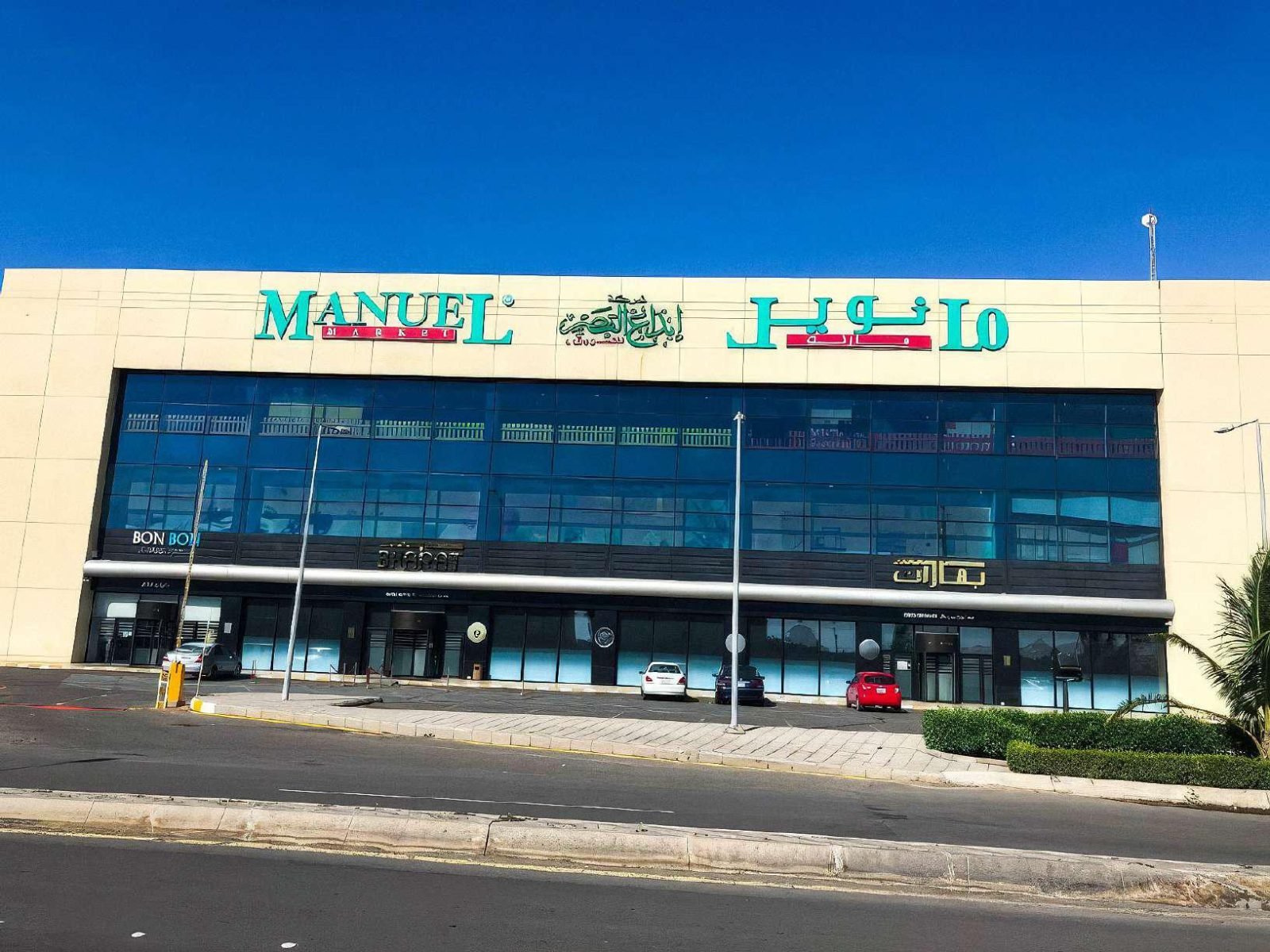
After the type comes the material, the second weight in shop sign prices. Acrylic is light, easy to cut and carries light well, which is why it dominates lit letters and indoor signs, and why acrylic sign prices are the most common question after shop fronts. Aluminium gives outdoor letters strong sides that stand up to the sun. Stainless steel, polished to a mirror or given a fine grained satin surface, raises the look and the price together, because its welding and polishing are long hand work and every scratch shows. Wood and painted board belong indoors more than on an open facade.
Within one material the finish moves the price again. Matt paint is quicker than high gloss, a colour matched precisely to the brand needs samples and an approval, and a printed face adds the print and its mounting. Acrylic thickness and letter depth are small decisions on the drawing and large ones on the invoice: a deeper letter looks richer from the side and uses more material and more time.
Ask about the material in its real setting. A facade facing the afternoon sun in an inland city, or the humid air of the coast, needs materials and paints chosen for it. An indoor grade placed outside costs less on the day and more within a few months.
Lighting and its parts
Lighting is a layer with its own line in shop sign prices: LED modules, the driver that turns the building supply into low voltage, the cabling, a timer or a dusk sensor, and the work that makes the glow even with no bright spots. The quality of these parts does not show on the day of handover. It shows months later, when one module dims or a driver overheats shut inside a closed box.
That is why two signs that look alike can be priced far apart because of what nobody sees: the type and density of the modules, where the driver sits and whether a technician can get at it while the sign stays up, and whether the parts come from a known source that is easy to replace. Ask for the lighting and the driver to be named in the quote. Those are the lines that protect you later.
Bringing power to the sign position is a separate job in most shops. The shop’s electrician prepares the supply point and the sign maker connects to it. Ask on the first day whether that point is your cost or part of the quote.
The width of the facade and the height of fixing
A wider facade usually means a bigger sign, but the relation is not a straight line. A long light box may have to be made in sections that travel separately and are joined on site without the joints showing in the light, and letters spread across a wide front need a positioning template so that they sit on one true line.
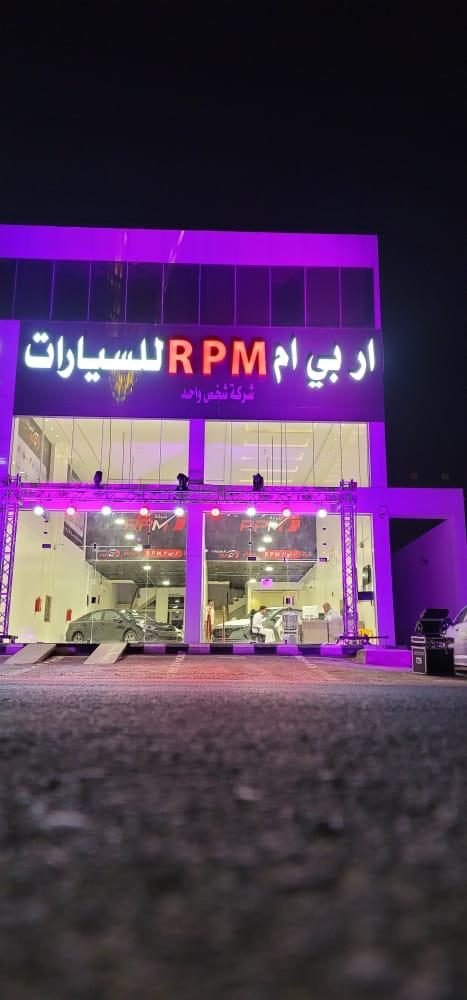
Height changes the quote more than width does. A sign over a ground floor door is reached from a ladder or a small scaffold. A sign high on a building of several floors needs a lifting platform or a crane, a safe place for it to stand in front of the building and a crew working with the safety equipment that work at height requires. The higher the sign, the bigger its letters must be to read from the street, so height pushes the price up through the access and through the size of the letters at the same time.
Access and night work in malls
In a mall you do not choose when the sign goes up, and that alone moves shop sign prices there. Most malls allow facade work only after closing, in hours they set, with entry passes for the crew and the equipment, and sometimes with a member of the mall team present. Night work means shorter shifts and equipment moved through service entrances and goods lifts, and a large sign may need more than one night.
The rules the mall hands to its tenants can also add requirements that carry a cost: lighting that must be internal, fixings that must stay hidden, or a set material for the fascia band above the unit. Get the guide before you ask for the quote, since a quote built before it will change after it. If your sign belongs to a promotional corner or a unit on the concourse rather than a shop front, read our article on the mall rules that come before any display for its papers and timings.
The structure behind the sign
The structure is the part most often forgotten in a comparison, because nobody sees it. A facade clad in light panels cannot carry a heavy sign by itself, so the sign needs a steel frame anchored into the concrete or the building structure behind the cladding. A glass front needs another answer: a sign hung inside, letters behind the glass or a frame that stands on its own. A blade sign projecting from the wall needs an arm and a base plate that resist the wind.
On some facades this line of the quote comes close to the cost of the sign face itself, and it is known only after a survey. Any price given from a logo file alone is an estimate made before anyone has looked at the wall.
Licence paperwork and the fees of the landlord or the mall
A commercial facade sign needs a licence from the municipality, the approval of the building owner and, in a mall, the approval of the mall management as well. Several kinds of cost meet here, and they are best kept apart:
- Preparing the application. Technical drawings, a facade photograph showing the proposed sign and whatever supporting papers are needed. The sign maker does this, so it is a fair line in the quote.
- Municipality fees. Fixed by the municipality and paid straight to it. They do not belong inside the sign price.
- What the landlord or the mall asks. Whatever the building owner or the mall management charges its tenants, whether a fee, a deposit or a condition, is theirs and is settled by the lease.
A quote that blends all of this into one figure makes comparison hard. The clearer version names the preparation work and leaves the official fees and the mall’s charges as items the shop pays to whom they belong.
Design rounds
A design that starts from a logo file ready for fabrication is quicker and cheaper than one that starts from a photograph of a logo taken on a phone. Ready means a vector file, with its fonts converted to outlines and its colours defined. Without it, redrawing the logo for cutting is a line in the quote.
Then come the revisions. Each change to the typeface, to the arrangement of the Arabic and English names or to the size of the letters means a new drawing on the facade photograph, and sometimes a revised licence drawing. Ask how many revision rounds the quote covers and what is charged after them. The economical way is to gather the comments of everyone with a say, partner, landlord and mall, before replying to the first draft, rather than letting them arrive one at a time.
Removing the old sign
If an earlier sign is on the facade, taking it down is part of the job: unfixing the letters or the box, isolating its power safely, filling the fixing holes, repairing the paint or cladding behind it and carrying the old sign away. Removal sometimes uncovers a damaged wall that only a backing panel will hide, and the design changes with it. Ask to see removal as its own item in the quote, with a word on what happens to the old sign: handed back to you or disposed of.
Maintenance after handover
The cost of a sign does not end on the evening it is first switched on. An outdoor sign in the Kingdom lives with sun, dust and wind: the face needs cleaning, the fixings need a check after dust storms, and an LED module or its driver may need replacing in time. A sign built from known parts, with a driver that is easy to reach, is repaired with a single part. One built from unknown parts may have to be opened up entirely.
So ask before you sign: what written warranty covers the lighting and the driver, for how long, and whether you receive the final drawings and the list of lighting parts at handover. A small difference between quotes can be exactly the price of that list.
Shop sign prices at a glance: the factors in one table
The table sums up the factors above, so you can keep it beside you while you read any quote.
| Factor | What pushes it up | What keeps it down | What to ask the supplier |
|---|---|---|---|
| Type of sign | Lit letters, halo lighting, ornate typefaces, long neon lines | A light box or a flat panel, a plain bold typeface | Which type exactly is priced, and is it lit from the front or halo lit? |
| Material and finish | Stainless steel, high gloss, deep letters, exact colour matching | Acrylic or aluminium, matt paint, standard depth | What thickness, what depth and what finish? |
| Lighting and its parts | Dense modules, several colours, dimming, hidden drivers | Fewer lit parts, a lamp washing an unlit panel | Which LEDs and which driver, and where does the driver sit? |
| Width and height | A wide front made in sections, a high facade | A ground floor sign within reach | Is the access equipment in the price? |
| Access and night work | Mall hours after closing, service routes, more than one night | A street front with easy daytime access | Are night shifts and passes included? |
| Structure | A steel frame into the building, a projecting arm, a glass front | A solid wall that takes fixings directly | Was the wall checked, or is the structure an estimate? |
| Licence and third party fees | Revised drawings, mall conditions | Rules read before design starts | Is preparation included, and are the official fees kept apart? |
| Design rounds | A logo from a photograph, scattered comments | A vector file, comments gathered once | How many revision rounds does the quote cover? |
| Removing the old sign | A damaged wall behind it, carrying it away | A clean wall with no earlier sign | Is removal named, and what happens to the old sign? |
| Maintenance | Unknown parts, a driver out of reach | Known parts, a reachable driver, a parts list | What warranty is written, and what is handed over? |
What sits outside the sign quote
Some of what you pay to open a shop front is not part of the sign quote at all. Knowing it in advance keeps you from holding the sign maker to account for what is not theirs, and from being surprised by it:
- Municipality fees for the licence, paid to the municipality.
- The landlord’s or the mall’s fees, deposits and conditions for tenants.
- The electrical supply point and its cabling up to the sign position, usually the work of the shop’s electrician.
- Major repairs to the facade that have nothing to do with the sign.
- Window graphics and interior print, unless you ask for them on the same quote.
The last of these can join the same quote if you want the whole front to come from one supplier, but it stays a separate line.
How to compare quotes for the same shop sign
Quotes are compared line by line, not by the figure at the bottom of the page. Ask each supplier first to quote the same type at the same size, so the comparison starts level. Then put the offers side by side and ask of each line:
- Is it the same type? Face lit letters are not halo lit letters, and a light box is not built up letters.
- Is the material named, with its thickness and the depth of the letter?
- Is the lighting named, with its modules and its driver?
- Are the structure and the fixings priced, or left until after the survey?
- Are access and any night work inside the price?
- Is licence preparation included, with the official fees kept outside it?
- Is removing the old sign there?
- What warranty is written, and what is handed over at the end?
The cheaper quote that stays silent on half of these lines is not cheaper. It moves part of the price to the day of installation. If the sign belongs to an exhibition stand rather than a shop front, the same way of reading a quote is set out in our guide to exhibition booth prices.
Where shop sign prices can be trimmed, and where they should not be
Some lines in a quote can be reduced without a passer by noticing. Others show their saving later, as repairs.
- Fewer words. Every extra word in raised letters means more letters to build and light. The name and a short line on what the shop does usually carry the message.
- Light where it counts. Lighting only the name and leaving the secondary line unlit keeps the night view and trims the lighting layer.
- Acrylic before steel. Deep acrylic letters with painted sides give much of the presence of metal for less, and stainless steel can be kept for the logo mark alone.
- One visit for everything. Window graphics, a blade sign and the main sign fixed in the same visit share the access equipment and the crew.
What should not be trimmed: the driver and the LED modules, the fixings into the structure and the sealing of an outdoor sign against water and dust. These are the parts nobody sees from the street, and a saving on them comes back as a dark letter, a loose panel or water inside the box.
What to send for an exact quote within 24 hours
The clearer what you send, the closer the first quote comes to the final price. Before you ask, gather this checklist:
- Daytime photographs of the frontage, straight on and from either side, plus a night shot if you can manage one.
- The width of the facade or of the area set aside for the sign, and its rough height above the ground.
- Brand files: a vector logo, the typefaces and your colour references.
- The location: the address or a map pin, and whether the shop is on a street or inside a mall.
- The mall’s tenant design guide, if the shop is in a mall.
- The type of sign you have in mind, or a photograph of one you like.
- Whether an old sign has to come down first.
- The opening date you are aiming for.
With these in hand, you receive an itemised quote within 24 hours that sets out the type, the material, the lighting, the fitting and the licence paperwork, each on its own line. Once you accept it, a survey on site confirms the structure and the access before anything is made.
How The Touch builds a quote for a shop sign
The Touch takes a shop sign from the first sketch to the lit facade. Design is done in house, the sign is made in our own factory and our own team fixes it. Your photographs and measurements produce the first itemised figure, and a site survey then measures the sign area, looks behind the cladding and locates the electrical supply. You see the sign placed on a picture of your own front, once in daylight and once after dark, and you approve colours and finishes against real samples. The licence file, meaning the technical drawings and the supporting papers, is prepared by us and pursued alongside you, though approval rests with the municipality and the building owner.
Cutting, building, painting and wiring of letters, boxes and panels all take place in our factory, where every sign is put together and switched on before it ships, so any patchy light shows up there rather than on your street. Neon flex is bent and finished in our factory as well. Our installers then fix the sign, working at night where a mall requires it, connect it to the supply your electrician has readied and programme the timer around your trading hours. The handover pack holds the final drawings with a list of the lighting parts. We operate from more than one location in the Kingdom, and production stays in our own factory and fitting with our own team.
For more on the types and the licence, see our page on signs for shop fronts. Lit cabinets are covered under light boxes and lit signs, and sculpted pieces under sculpted letters and props. Acrylic signs for offices and reception areas are on acrylic signage. If your project is a whole building or several branches, signage company in Saudi Arabia explains how every sign is gathered into one schedule that is approved once.
Frequently asked questions about shop sign prices
How much does a shop sign cost?
Shop sign prices depend on the facade, so we do not give a figure before seeing it, because the type, the height and the structure behind the wall can change the price more than the size does. Send photographs, the rough width of the facade, your logo artwork and the location, and you will have an itemised quote within 24 hours. The survey that follows confirms the structure and the access before production.
Why do quotes for the same sign differ so much?
Because they are rarely for the same sign. One may include lighting parts from a known source, a steel frame, access equipment and licence preparation, while another leaves all of that for later. Compare line by line, and ask the cheaper supplier what is missing from the quote.
Is a light box cheaper than raised letters?
Across an equal stretch of frontage, usually yes, because the box is made once and its face carries the whole design. Raised letters are built one by one and look more refined on a facade. Plenty of shop fronts mix them: letters for the name and a small light box for a secondary message.
How are neon signs priced?
Neon flex is priced along the drawn line, so the length of the wording, its colours and the backing it is fixed to set the cost. A short word on clear acrylic indoors is a smaller job than a long slogan outdoors that needs sealing against the weather. We make neon flex in our own factory.
Are licence fees included in the quote?
The drawings and papers behind the application are our part, and you will find them priced in the quote. The fees themselves go to the municipality at its own rates, and any charge the landlord or the mall makes to tenants is theirs to set. We stay with the application alongside you, but the approval is for the authority and the landlord to give.
Can I move my old sign to a new shop instead of buying a new one?
In many cases, yes. Letters mounted on a backing panel and light boxes detach in one piece, so we can bring the sign down, rework it for the new frontage where necessary and fix it at the new shop, which can work out cheaper than starting again. The new address needs a fresh licence, so that paperwork starts over.
How can I lower the price without spoiling the sign?
Cut the wording to the name and a single line, choose deep acrylic over stainless steel where the look allows it, and gather every comment before the first revision round. Keep the budget on what nobody sees: the driver, the fixings and the sealing against water and dust. A saving there returns later as repairs. You can also ask for the quote with and without lighting on the secondary line, to see the difference.
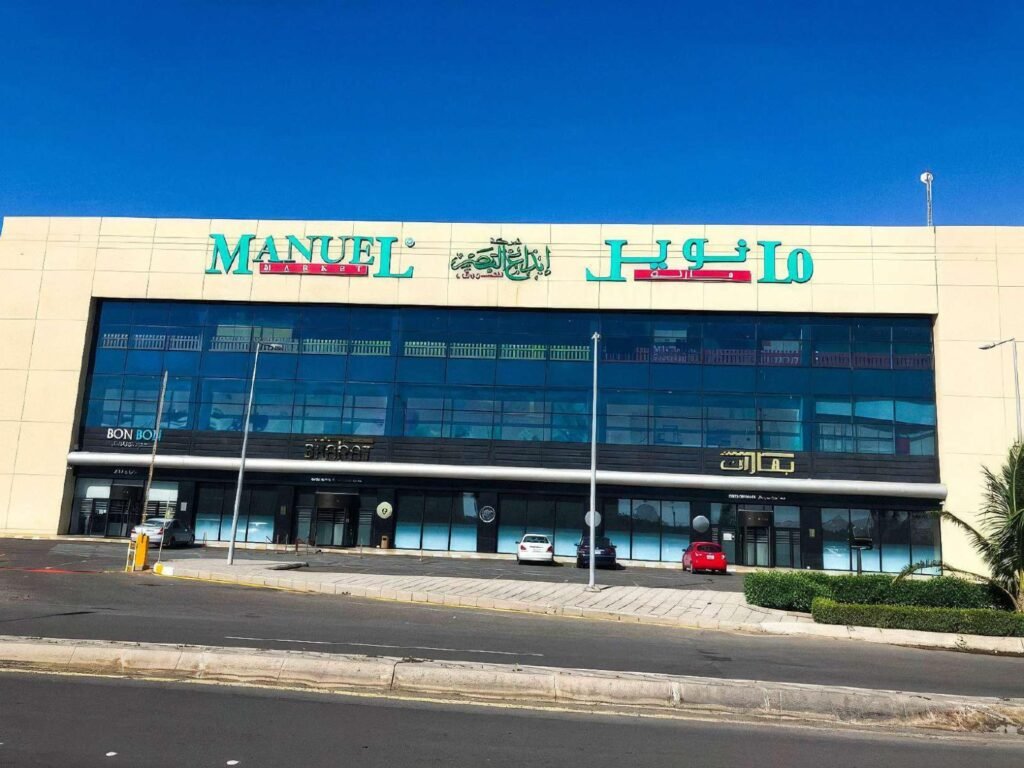
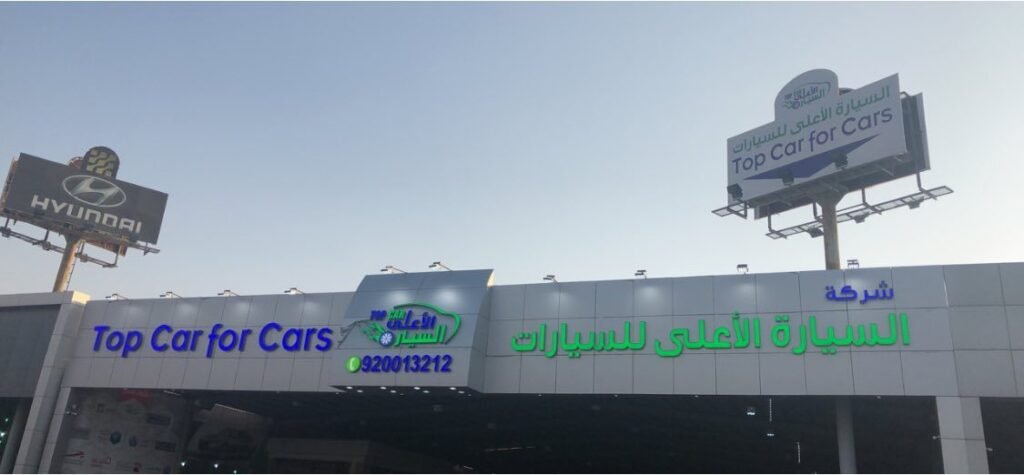
Signs From Our Factory
Photographed on site after handover, no renders.

Have a project and want a real number?
Send the area, the date and the city, and we come back with an itemised quote within 24 hours. No commitment, and no vague all-in price.

