
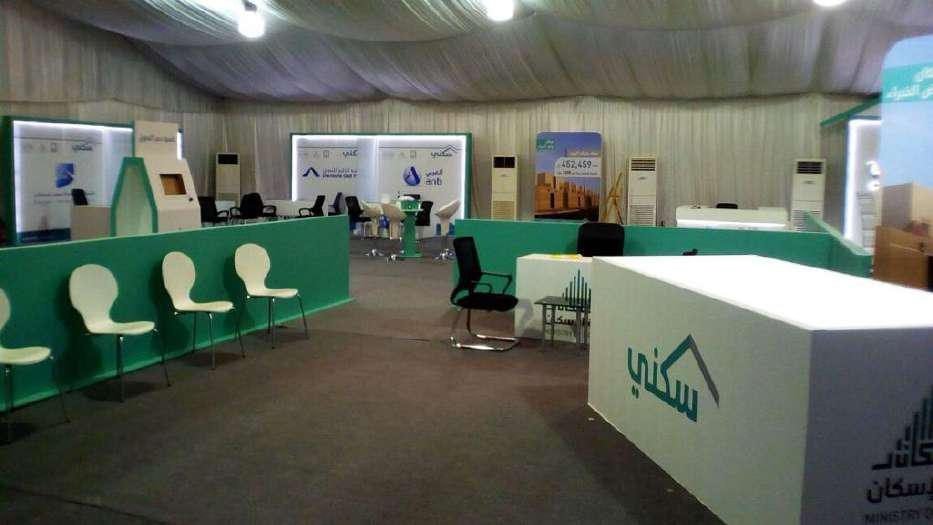
Ask three builders for exhibition booth prices and you will receive three figures that barely resemble each other, for what looks like the same booth. Nobody is necessarily overcharging. Each builder has priced a slightly different booth, a different list of what is included, and a different idea of who pays the organiser. The price at the bottom of the page is the least informative line in the document.
This guide carries no figures at all, on purpose. It explains the factors that push a price up or down, the lines that look identical in two quotes and are not, and a way to compare them so that the cheapest one is cheap for a reason you can see. If you want the figures, they are in our exhibition stand cost guide for Saudi Arabia, with the budget lines set out in full. Read this page to understand why your own quote will sit where it sits.
Why exhibition booth prices never come as a list
A booth is not a product on a shelf. It is priced as drawn: this floor area, this number of open sides, this wall height, these materials, this hall, this date. Change one of them and the factory hours, the sheets of material, the truck and the installation crew all change with it. A rate per square metre hides every one of those. Two booths of identical area can sit far apart in cost because one is a row space with a single open side and plain printed walls, and the other is an island with a hanging sign, a store room finished on every face and a lit counter.
That is also why a price given over the phone, before anyone has seen the floor plan and the exhibitor manual, is a guess that will be corrected later, usually upwards and usually when it is too late to change builder. A price you can rely on comes after a drawing and stays tied to it: a serious quote names the revision of the design it covers, so that a later change to the design is a visible change to the cost and not an argument.
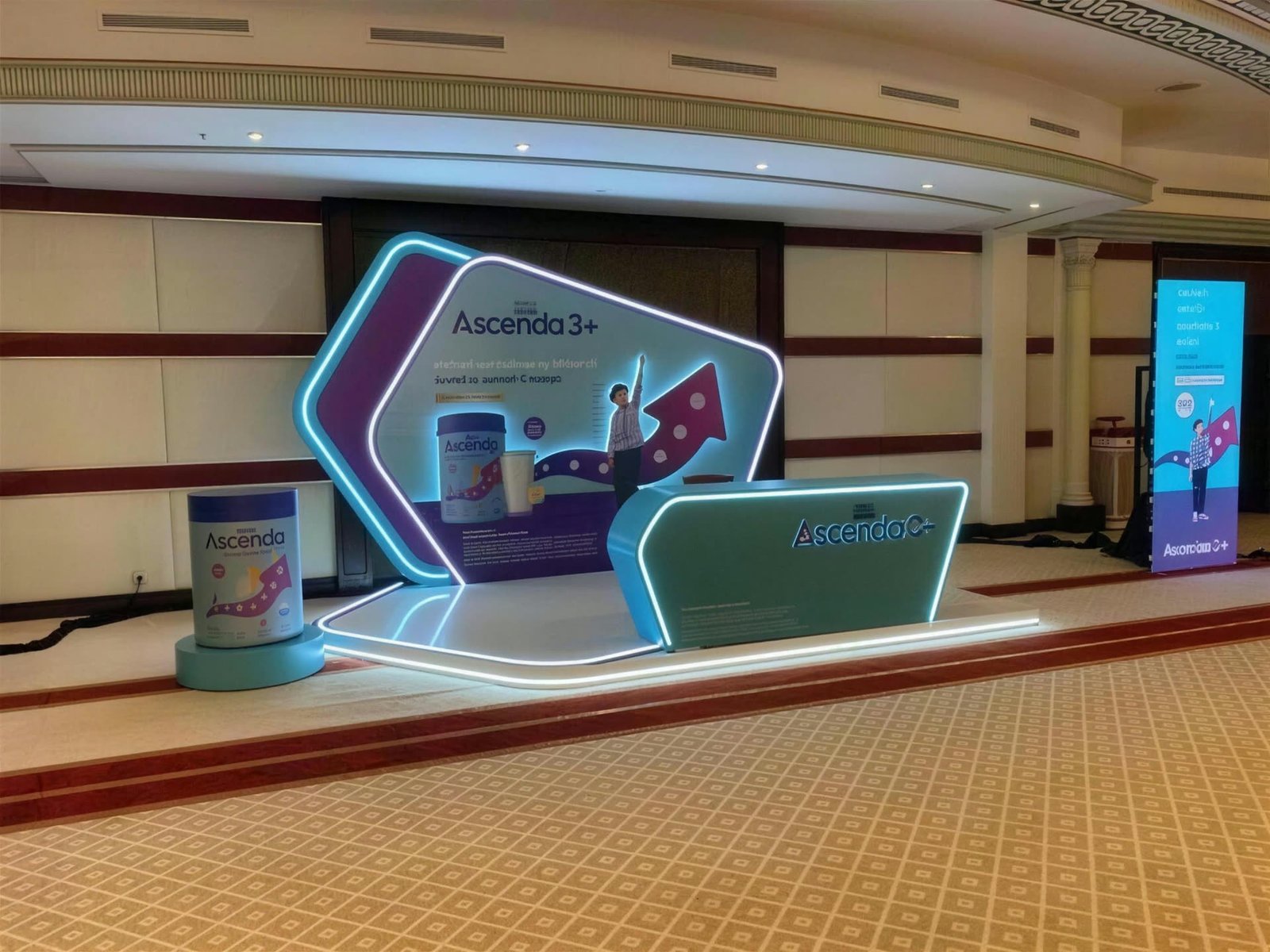
The ten factors that move the price
Every quote for a booth is these ten decisions added together. For each one, here is what raises the price, what lowers it, and the question to put to the builder.
- Floor area and open sides. Area sets the flooring, the number of light fittings and most of the labour. Open sides work in both directions: each open side removes a wall from the build, but it adds an edge that has to be finished, a floor trim and one more direction from which the booth has to look tidy. An island has no back wall to hide cables and cartons behind, so its store room becomes a freestanding box finished on every face. Ask: is the price based on the organiser’s floor plan for my exact space, with the open sides marked?
- Height and structure. Walls at the standard height the organiser allows are ordinary joinery. Anything above it, whether a tower, a hanging sign or a bridge between two walls, brings structural drawings, heavier framing and lifting equipment on build night, often with an approval step at the organiser. A second floor is a different project altogether, with an engineer’s calculation and rules of its own, set out in our guide to double deck exhibition stand rules. Ask: which elements exceed the standard height, and what does each of them add?
- Custom build, modular system or upgraded shell scheme. A custom build is cut for one design. A modular or portable stand uses a frame that already exists, so you pay for configuration and graphics instead of carpentry. An upgraded shell scheme keeps the organiser’s walls and adds graphics, a counter and lighting. The three sit at very different levels of cost for the same floor area, and they are set side by side in custom stand vs shell scheme. Ask: can the same idea be drawn on a modular frame, and what would I lose?
- Materials and finishes. Painted MDF is the base of most custom walls, and the paint method matters: a sprayed lacquer and a rolled coat are not the same labour. Laminate costs more per sheet but survives a second show. Acrylic, in letters, light boxes and counter fronts, is cut by machine and then polished by hand. Stretched fabric covers a large area cheaply and folds into a bag. Every lit element adds a light source, a driver, wiring and a diffuser. Ask: which finish is on each wall, and is the back of any wall the visitor can see finished too?
- Graphics area and print type. Graphics are priced by printed area and by method. Vinyl applied to a rigid panel gives a flat wall with no seams, but the print itself is used once. Fabric on a tension frame can be replaced without touching the frame. Cut lettering and raised logos are counted by the piece. Ask: how much printed area is in the price, on which material, and who checks my files before printing?
- Lighting, screens and the electricity order. Spotlights on arms, lit edges and backlit walls are three different costs, compared in our article on exhibition stand lighting. Screens are hired for the show days or bought, and the quote should say which, in what size class, and who supplies the media player. All of it adds up to a power load, and the main connection is ordered from the organiser, not from the builder. Ask: what load did you calculate, and is the organiser’s electricity order inside your price or outside it?
- Rental or ownership. With rental you pay for the use of a frame the builder keeps. With ownership you pay for the material once, then for storage, a refresh and new graphics each time the booth goes out again. A booth built to be owned needs joints that survive being taken apart, packing crates and a numbered parts list, all of which cost more at the first show and far less at the second. Ask: who owns the booth when the show closes, and if it is me, where does it go that night?
- City and logistics. We have more than one location in the Kingdom, and your booth is built in our own factory and installed by our own team whichever hall it is for. Where transport applies, it is a named line in the quote, and it is counted twice: once for the build and once for the dismantling. Ask: how many trips are in the price, and are the crew’s nights in it?
- Lead time and rush work. A custom stand needs 6 to 8 weeks from brief to opening day, and 8 to 10 weeks for an island or a double deck. Inside that window the factory works normal shifts and orders any material it wants. Below it, the price carries overtime, a choice of materials limited to what is in stock, and print at short notice. Ask: what is the last day to approve the design at this price?
- Organiser charges, dismantling and storage. Some costs of exhibiting are never the builder’s: the space rent, the electricity connection, rigging points in the hall roof, and contractor badges or a damage deposit where the organiser charges them. A builder may pay them on your behalf and pass them on, or leave them to you, and either is fine as long as the quote says which. The far end of the project is the same: dismantling, the return truck, disposal or storage are real work, and a price that stops on opening day is not the whole price. Ask: which organiser charges are excluded, and what happens to the booth after the last day?
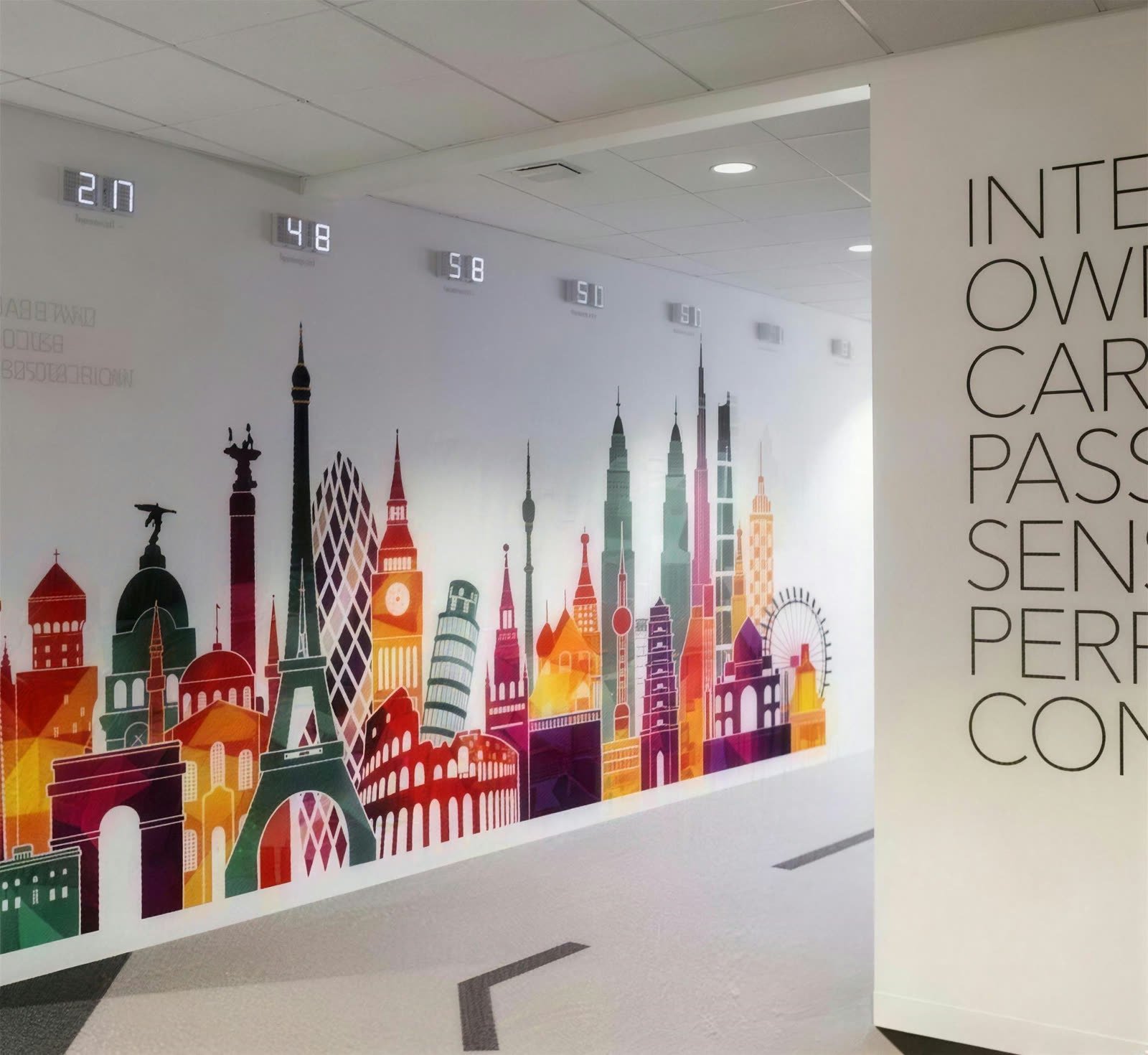
What looks the same in two quotes but is not
Two documents can both say “booth, complete” and describe different amounts of work. These are the lines where the gap usually hides.
| Line | The fuller version | The thinner version | What to ask |
|---|---|---|---|
| Lighting | Every fitting listed by type and count, wired and tested | “Lighting included”, with no list | The list of fittings |
| Dry assembly | The booth is fully built in the factory before it ships | First assembled in the hall on build night | Where is the booth put together for the first time? |
| Electricity order | Stated: inside the price or the client’s order, with the calculated load | Not mentioned | Who places the order with the organiser? |
| Graphics | Printed area, material and a file check | “Graphics as per design” | What would a reprint for the next show cover? |
| Flooring | Raised platform or carpet, named, with the edge trim | “Flooring” | Is there a platform, and does it hide the cables? |
| Installation crew | Travel and stay for the build and for the dismantling | Build only | How many trips are counted? |
| Dismantling and after | Dismantling, return truck, storage or disposal, each on its own line | Ends on opening day | Where does the booth go the night the show closes? |
| Furniture and screens | Hired or bought, item by item | Shown in the 3D view, absent from the lines | Is everything in the picture in the price? |
The last row is the most common of all. The 3D view shows chairs, plants and screens that flatter the picture and then have no line in the quote. The picture is not the contract. The lines are.
How to compare three quotes line by line
Three quotes is a sensible number: enough to see the spread, few enough to read properly. Work through them in this order before you look at any total.
- Send the same brief to all three. The organiser’s floor plan, the exhibitor manual, the goal and one list of what you will not give up. Different briefs produce different booths, and then nothing can be compared.
- Put the quotes in one sheet. One row per line, one column per builder. A line that one builder has and another does not is a question to ask, not a saving to count.
- Check the drawing each price belongs to. A price that names no design revision can drift.
- Mark every line as inside, outside or the organiser’s. Silence about a line means outside.
- Compare materials by name, not by adjective. “Premium finish” is not a material. “Sprayed MDF with a laminate counter top” is.
- Ask who installs. The builder’s own crew, or a subcontractor hired in the show city? And where is the booth assembled for the first time?
- Read the payment stages and the validity date. A quote that expires before your management meets is not a quote you hold.
- Then compare the totals. After adding to each one the lines it left out.
A working rule: level the lines first. The order of the three totals often changes once you do, and the cheapest before levelling is not always the cheapest after it.
How to lower the price without lowering the result
- Design for a second show from the start. The frame, the counter and the light boxes come back, and only the graphics change. Check your next dates in our Saudi exhibitions calendar before the design begins, and if another show falls in the same season we store the kit in our storage between the two.
- A modular frame with a custom front. The structure comes from a ready system, and the money goes where the visitor looks: the counter, the main wall and the logo.
- Fewer materials, done well. One wall finish, one accent colour and good light look more expensive than a crowd of materials competing.
- Keep to the standard height. Whatever rises above the limit costs drawings, lifting and an approval, and the visitor reads what is at eye level.
- Decide early. Starting inside the normal lead time removes the rush charge entirely, and the weeks are laid out in how long an exhibition stand takes.
- One approver. Every round of changes after the material is cut is paid work. Name one person who signs off the design.
- Right files the first time. The logo in its original format and the final wording before printing, because a reprint is a second print at its own cost.
What a serious quote contains, and what ours contains
From any supplier, a serious quote carries: the design revision it covers, itemised lines for every element (structure, flooring, graphics, lighting, furniture, screens, transport, installation and dismantling), what is excluded in plain words, what has to be ordered from the organiser, a schedule with the last day for approval, the payment stages, a validity date and the name of whoever installs.
Our own exhibition stands are designed, cut, printed and installed by one team in our own factory, so the lines are written by the people who will do the work. The quote reaches you itemised, with the 3D concept and the schedule, within 24 hours of a complete brief. Every stand is fully test assembled in the factory before it ships, and that is a visible line, not a hidden one. Installation is by our own team across the Kingdom, and each city has its own page: exhibition stands in Riyadh and exhibition stands in Jeddah. Where the booth is one part of a wider presence with an event and hosts, the whole picture is on our page for event management in Saudi Arabia.
For a neutral reference on how the industry itself describes these services, UFI, the global association of the exhibition industry, publishes research and guidance for exhibitors and organisers.
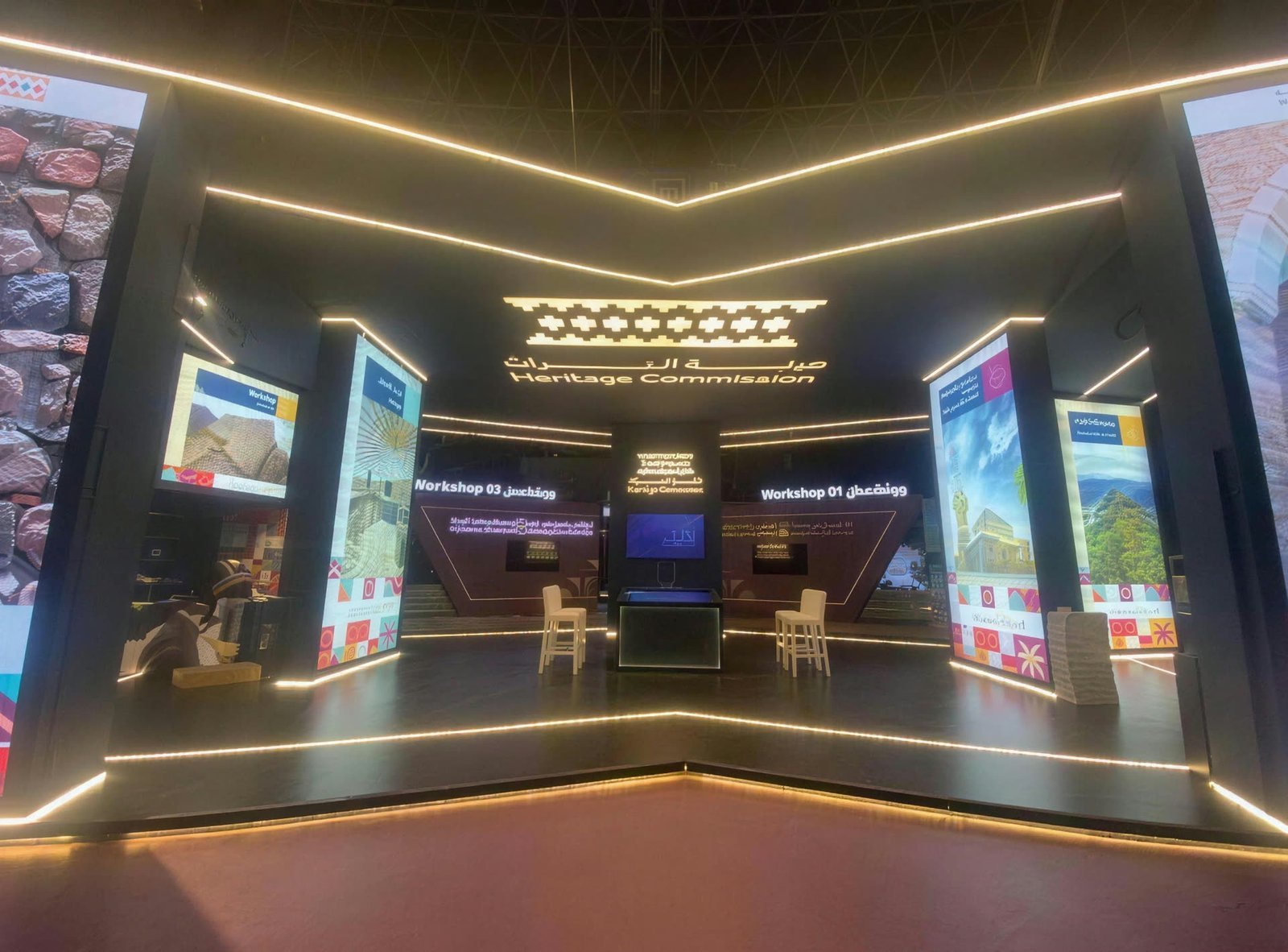
Mistakes when buying on price alone
- Choosing the lowest total before levelling the lines. You end up buying the shorter quote, not the cheaper one.
- Treating a price given by phone or a rate per square metre as a commitment. Whatever is not built on a drawing is an opinion.
- Buying the picture. The best looking 3D view wins, and then much of what is in it turns out to have no line.
- Forgetting the organiser’s side. Electricity ordered late carries a late surcharge where the organiser applies one, and the builder does not absorb it.
- Dropping the dry assembly to save a line. The problems do not disappear. They move to the hall, where time is shortest and every hour costs more.
- Ignoring the day after. A quote with no dismantling line ends with a booth you paid for in full and then saw scrapped. The right order is in dismantling, transport and storage after the exhibition.
- Pushing the builder below the cost of the drawing. The difference comes back to you as thinner board, fewer lights and a smaller crew, and you only see it on opening day.
Where the figures are
The factors explain a price. They do not replace it. For the figures and the budget lines, go back to exhibition stand cost in Saudi Arabia. For your own number, send the brief from our get a quote page: the floor plan, the exhibitor manual, the name and date of the show, the goal, and whatever you own from an earlier show. The fuller the brief, the tighter the price and the fewer the surprises after it.
Frequently asked questions
Why do you not publish exhibition booth prices?
Because a booth is priced as drawn, and a price without a drawing is either high enough to cover the unknown or low enough to attract you and be corrected later. What we publish is the factors here and the budget lines in the cost guide. Then you receive an itemised quote for your own space within 24 hours of a complete brief.
Is renting a booth cheaper than buying one?
For a single show, usually yes, because you pay for use and not for material. As shows repeat, the sums lean towards ownership, provided the booth is designed to come apart and storage and refresh are counted. Ask for both versions side by side for the same show and compare.
What do I send to get an accurate price?
The organiser’s floor plan for your space with the open sides, the exhibitor manual, the name, city and date of the show, the goal of taking part, your brand files, and any kit you own from before. Add your budget limit if you have one. It steers the design and does not raise the price.
Do prices differ between Riyadh and Jeddah?
The booth itself does not change. What surrounds it does: the hall, its build window and what the organiser asks for. We have more than one location in the Kingdom, and your booth is built in our own factory and installed by our own team in either city. Where transport applies, it is a named line in the quote, on a line of its own.
Why are two quotes for the same booth so far apart?
Because most of the time they are not for the same booth. They differ in materials, in what is inside and outside the quote, in the dry assembly, and in dismantling and what follows it. Level the lines before you judge.
Is a rate per square metre a fair way to compare?
No. It works for a first estimate between booths of one type and misleads everywhere else, because open sides, height and materials do not follow the area. Compare lines, not averages.
Can the price change after I approve the quote?
Not while the drawing stays the same. What moves it is a change to the design after approval, an added item, or an organiser charge that was never inside the quote. That is why the quote names the design revision it covers.
What is usually not included in a builder’s quote?
The space rent, the main electricity connection, rigging points, and any badges or deposit the organiser asks for, unless the quote says otherwise. Ask for these to be written out plainly as inside or outside.
From Our Factory to the Show Floor
Photographed on site after handover, no renders.
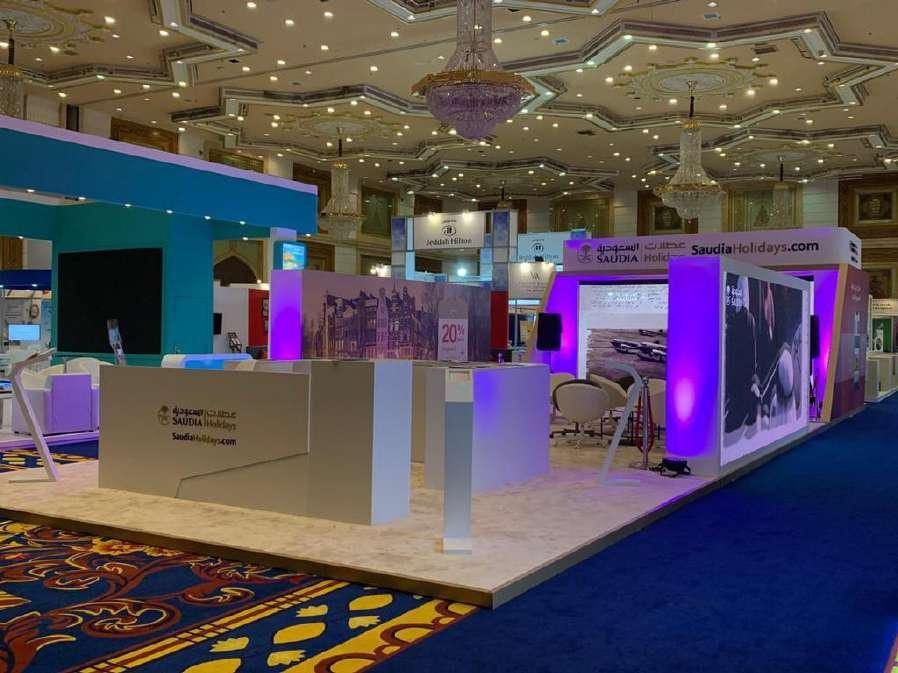
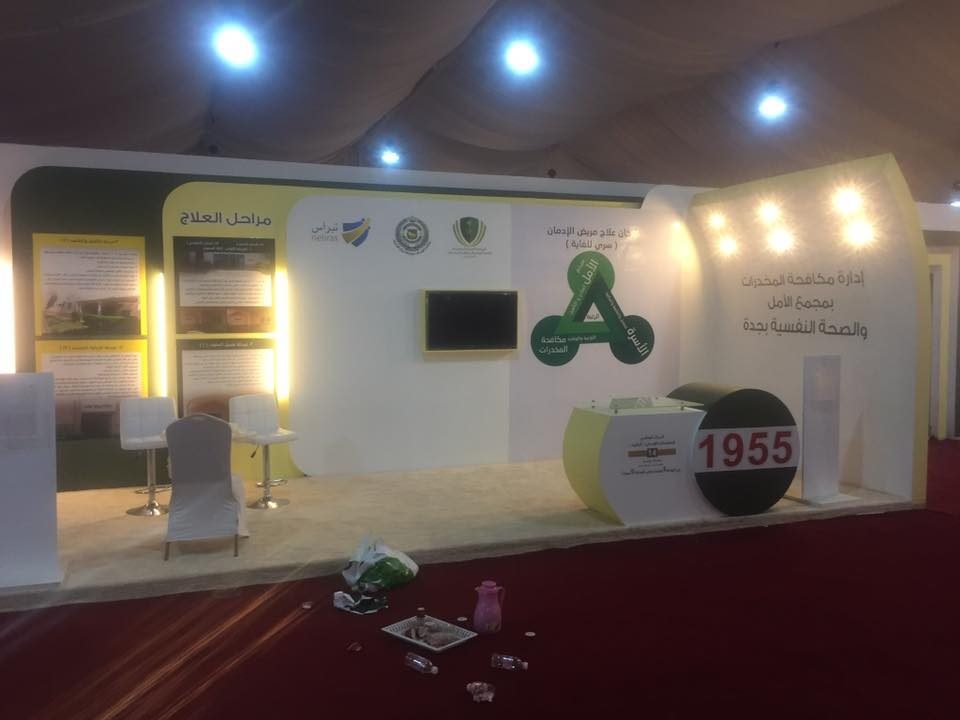

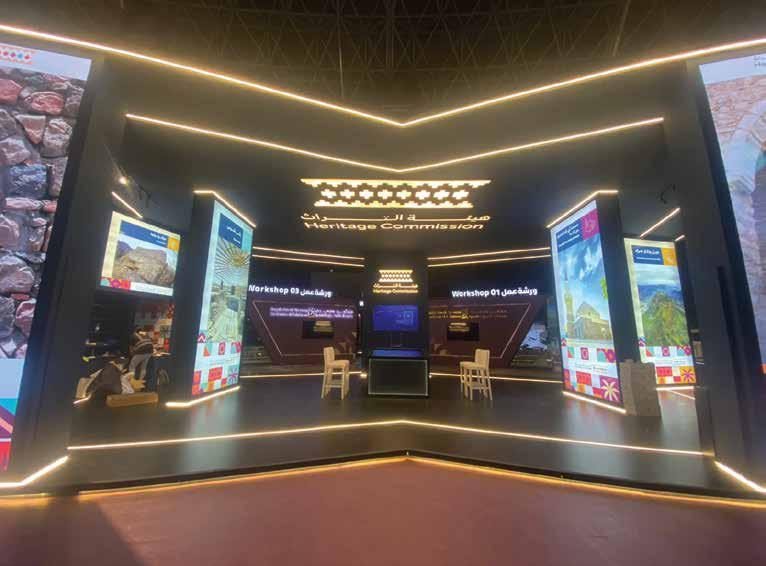
Have a project and want a real number?
Send the area, the date and the city, and we come back with an itemised quote within 24 hours. No commitment, and no vague all-in price.

