
Paper Cup Printing
Paper Cup Printing for Cafés, Coffee Brands and Events
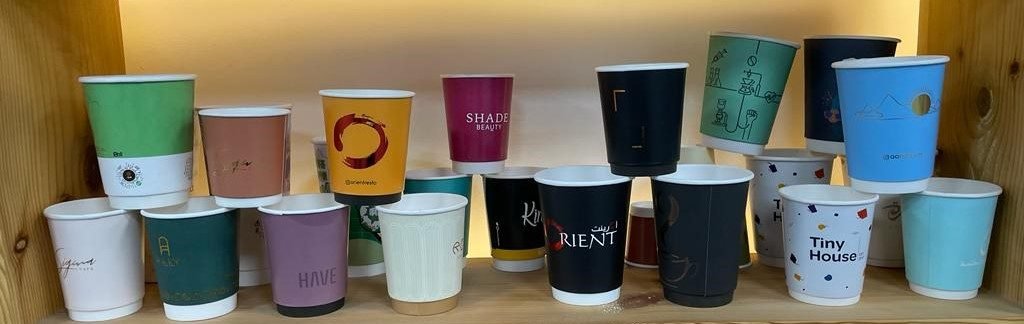
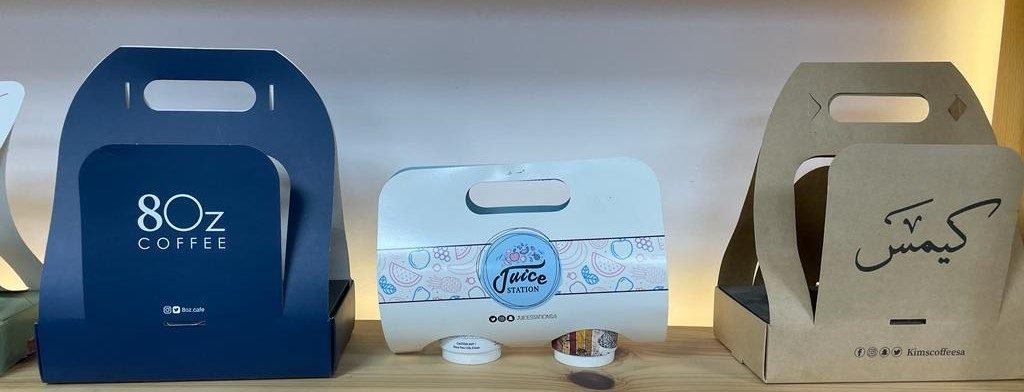
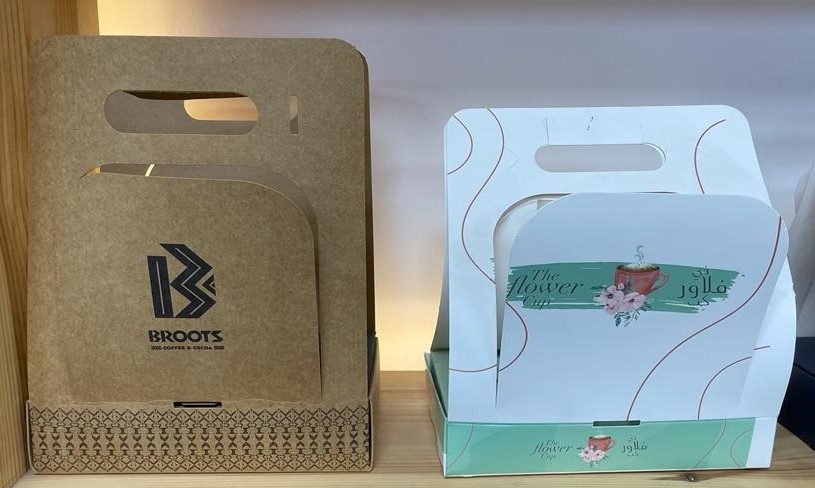
Paper cup printing is how a café, a coffee brand or a company puts its logo in the hand of every customer and guest, and the cup is only the start. The order usually grows into a set: the cup itself, single or double wall, for hot or cold drinks, the lid made for its rim, a printed sleeve, a carrier for takeaway and a kraft bag for larger orders. We print paper cups with your logo and supply the pieces around them. This page explains how a printed cup is made, how the artwork has to be drawn for it, what to check about food contact and what decides the price, so the quotes you compare are built on the same lines.
Why the Cup Carries More of Your Brand Than Your Sign
A sign stays on the shop front. A printed cup leaves with the customer, sits on a desk, rides in a car and appears in photographs your team never took.
It travels further than the shop
A takeaway coffee is carried down the street, into a meeting room and onto a desk, where colleagues read the logo while the drink is still warm. For a café that sells most of its drinks to go, the cup is the most seen piece of the brand, ahead of the sign and the menu board.
It ends up in photos
Customers photograph their coffee before they drink it, and the cup is in the middle of the frame. A clear logo, a colour that reads on a phone screen and a pattern that suits the angle of a hand held shot turn each of those posts into free exposure for the brand.
It tells guests who is hosting
At a conference coffee break, a staff day or a stand at an exhibition, a cup with the company logo says whose occasion this is without a single banner. Guests carry it from session to session, so it turns up in the event photos as well.
It sets the price customers expect
A plain cup with a sticker stamped on by hand reads as a small kiosk. A double wall cup with a clean print and a matching lid reads as a specialty coffee house, and customers judge the drink by what holds it.
What Comes With the Cups
The cup is one item on the counter. These services work from the same logo file and reach your branches with it.
Printing & Promotional Gifts
Printed sleeves, stickers that close takeaway bags, menu cards and loyalty cards, all from the cup artwork. Event graphics are printed in 1 to 5 working days.
Acrylic & Wood Fabrication
Acrylic menu holders and shelves that show the cups on the counter, and a lit logo above the bar cut on CNC and laser machines.
Promoters & Brand Ambassadors
Hosts with a supervisor who serve coffee in your printed cups in a mall, at a product launch or at a tasting.
Branding & Creative Studio
A logo redrawn as clean vector files, a design laid out on the template the cup maker supplies, and colour references fixed for print.
Digital Solutions
A QR code on the sleeve that opens the menu, the loyalty sign up or the registration page of an event.
Experiences & Events
Coffee corners, product launches and opening days in which the printed cups are part of the scene.
Social Media & Content
Photos and short clips of the new cups in the hand, ready for your accounts before the launch.
Custom Exhibition Stands
Stands with a coffee counter built in our own factory, serving visitors in cups that carry your logo.
Single Wall, Double Wall, Hot and Cold: The Cups Behind Paper Cup Printing
The cup body decides how hot the drink can be, whether a sleeve is needed and how the print looks. Choose it from the drink you serve, then design for it.
Single wall cups
One wall of cupstock board with a thin plastic or water based lining on the inside that keeps the drink from soaking into the paper. It is the lightest and most economical cup, right for tea, water and drinks that are not served very hot. With a hot coffee the outside gets warm to hold, which is why a single wall cup for coffee usually travels with a sleeve.
Double wall cups
A second paper wall is wrapped round the inner cup with a narrow air gap between them. The gap keeps the heat away from the fingers, so no sleeve is needed, and the cup feels firmer in the hand. The print sits on the outer wall, and this is the cup most specialty cafés choose for hot coffee to go.
Ripple wall cups
The outer wall is a corrugated wrap with ridges running from the rim down to the base. It gives a firm grip and good insulation, and it suits brands with a natural, crafted look. The ridges break fine lines and small text, so the artwork for a ripple cup stays bold and simple.
Paper cups for cold drinks
Iced coffee, juice and soft drinks make the outside of a cup sweat. A paper cold cup is coated on both faces, so condensation neither softens the wall nor blurs the print, and it comes with a dome lid or a flat lid with a straw opening. A cup made for hot drinks can go limp before a cold drink is finished.
Small espresso and tasting cups
Short cups for an espresso, a tasting of a new roast at the counter or a coffee sample handed out in a mall. The print area is small, so a short mark or a brief name works better on them than the full design of the large cup.
White or kraft board
White board shows colours as they were designed and is the usual base for full colour printing. Brown, natural looking kraft suits roasters and bakeries, but it darkens every ink printed on it, so pale tones and white need care and are judged on a printed cup, not on a screen.
From Logo File to Cartons at Every Branch
Most problems with printed cups are made on the artwork, long before a single cup is formed. These are the steps in order.
The drinks, the sizes and the branches
We start with what you serve: hot, cold or both, the sizes on your menu and the drinks that go out the door. Then the branches or event venues that receive cups, and how you prefer to reorder. Those answers decide the cup body, the lids and the way the cartons are packed.
Cup and lid chosen together
Each cup size has a rim of its own diameter, and the lid has to be made for that rim, or it leaks or pops off in a car. The cup, the lid and the sleeve are matched from one range before the design starts, and you see them side by side.
The design on the maker's template
A paper cup is printed while it is still a flat, curved blank shaped like a fan, then rolled and sealed. Your design is laid out on that curved template, with the side seam, the curled rim and the base marked on it, so the logo stands upright on the finished cup and does not break at the join.
Colour and ink for food packaging
Spot colours are matched to your brand references, or full colour is built from process inks, depending on the print method. The ink goes on the outer face only, and the cup stock and inks should be suitable for food contact: the quote names the material.
Proof and approval
You sign a proof of the design on the template of each size, with the colours written on it. A printed sample cup can be requested in the quote before the full run, and it is the safest way to judge colour on kraft or on a ripple wall.
Printing, packing and delivery
The cups are stacked in bags inside cartons marked with the size and the branch, and the lids, sleeves and carriers are packed alongside. We have more than one location in the Kingdom, and delivery reaches every branch address you give us.
How Long a Printed Cup Order Takes
A new design on stock cups
It depends on the print method, the plates needed for each colour and the cup maker's schedule. The delivery date is written in the quote once the design is approved.
A special body or a new size
A cup in an unusual shape, board or colour adds the time it takes to source, and that time drives the whole schedule. The quote shows it line by line.
A reorder of an approved design
Usually shorter than the first order, because the template, the colours and any plates already exist. Ask for the reorder time to be stated in the quote.
Printed pieces for the opening
Counter graphics, menu boards and posters are printed in 1 to 5 working days after the artwork is approved.
Paper Cup Printing Prices: What Sets Them
We publish no price list, because every cup order is built from the same few lines in different proportions. Put the quotes side by side, compare them line by line, and the reason for the gap shows.
The cup body
Single wall is the lightest and most economical. Double wall and ripple wall cost more, because there is more board and more forming. A cold cup coated on both faces and a kraft cup are each priced as bodies of their own.
Colours and the print method
Methods that need a plate for each colour carry a setup cost that weighs less the longer the run. Digital print needs no plates and suits short runs and many designs, at a higher price per cup.
The quantity per design
Cup makers set a minimum for each design and each size, and the price per cup falls as the run grows. The minimum and the reorder quantity are questions to settle in the quote, not after it.
Lids, sleeves and carriers
Each is a line of its own. Lids are usually plain white or black, a printed sleeve has its own artwork, and carriers and kraft bags are priced by type.
Number of sizes and designs
Every size has its own template and every design its own setup. A seasonal design for Ramadan or National Day is a separate run beside the everyday cup.
Packing and delivery
Packing per branch, marking the cartons and splitting the delivery across addresses all take time. Where transport applies, it is a named line in the quote.
Tell us the drinks you serve, the sizes on your menu, whether you need lids, sleeves and carriers, and how many branches receive the order, and send your logo file. An itemised quote for your paper cup printing reaches you within 24 hours. Request a quote or message 0567069088 on WhatsApp. If your cups will serve visitors at an exhibition, our guide to exhibition stand cost in Saudi Arabia sets out the other lines of that stand budget.
Paper Cups for Jeddah, Riyadh and Dammam: Who Orders Them and Why
Printed cups serve very different counters. A specialty café needs its everyday hot cup in the sizes on its menu, a cold cup for iced drinks and a carrier for orders that leave in a car. A restaurant or a bakery adds cups for juice and tea to its takeaway packaging. A coffee brand opening a kiosk in a mall wants the cup to carry its whole identity, because the kiosk itself has little room for anything else. A company orders cups for its pantry, its reception and its events, and a hotel or a hospitality team for the lobby and the meeting rooms. Whether your café is in Jeddah, Riyadh, Dammam or another city, the order runs the same way and the cartons reach every branch. Ceramic, glass and travel mugs that people keep are a different product, covered on our logo mug printing page. The kraft bag that carries a large order is on printed paper bags, the box for beans, sweets or a gift set on custom printed boxes, and the sticker that seals a bag or marks a flavour on a lid on sticker and label printing. If the logo itself needs work before it goes on a cup, start with our logo design company page, and for cups inside a gift for clients or staff see corporate gifts in Saudi Arabia.
Which Cup for Which Counter
The right choice comes from the drink and the way it leaves the counter, not from the cheapest line in the quote.
Hot coffee to go
A double wall cup, or a single wall cup with a printed sleeve, and a sip lid that fits the rim. Double wall looks better in the hand, while the single wall route lets you change the design each season without reprinting the cups.
Iced coffee and cold drinks
A paper cold cup coated on both faces, with a dome lid or a flat lid that takes a straw. Keep the important part of the design away from where the hand sits, and test the print against condensation on a sample cup.
Tea and water at an office
A white single wall cup with a logo in one colour is enough for a pantry or a reception, and it keeps the price per cup low over long runs.
A conference coffee break or an exhibition stand
Cups that carry the event or company mark, a sleeve with a QR code that opens the agenda or the product page, and enough cartons delivered to the venue before the first session.
Delivery and large takeaway orders
Carriers that keep the cups upright in a car, and a kraft bag on top for pastries and extra drinks, both printed or closed with a sticker that matches the cup.
Mistakes That Show Only on a Printed Cup
Each of these is visible on the template or the sample, and costly once the run is printed.
A rectangle wrapped onto a cone
Artwork drawn as a flat rectangle bends and leans when it is wrapped round a cup that narrows towards the base, so the text tilts and circles turn into ovals. The design has to be built on the curved template of the size it will be printed on.
A logo cut by the seam
Every paper cup has a side seam where the ends of the blank overlap, and a logo placed across it is broken. The template marks the seam, and the main mark sits away from it, usually facing the customer when the cup is held.
Print where the rim curls
The top edge of the cup is rolled into a curl and the base is folded under. Anything drawn into those bands is lost or distorted, so the design stops short of both.
A lid from another range
A lid bought separately because it was cheaper does not quite fit the rim, and drinks leak in cars and on desks. Lids are chosen with the cup, from the same range, and tried on a full cup.
Pale colours on kraft
Light grey, pastel tones and thin text almost vanish on brown kraft. Either the design uses strong colours over a white base, or the cup is white.
A cold drink in a hot cup
A cup made for hot drinks used for iced coffee goes soft, and the print smears where the hand holds it. Cold drinks need cold cups coated on both faces.
One Quote for the Cup and Everything Around It
We print paper cups with your logo and supply the lids, sleeves, carriers and kraft bags that go with them, so the counter set arrives in one order on one quote. Our studio prepares the artwork, and the bags, boxes, stickers and counter graphics around the cups are printed in our own factory from the same design and the same colour reference. We have worked for Ganache, Oceanera, Kinan, Saudia, Saudia Holidays, Swarovski and Johnson & Johnson MedTech.
Boxes and Packaging From Our Factory
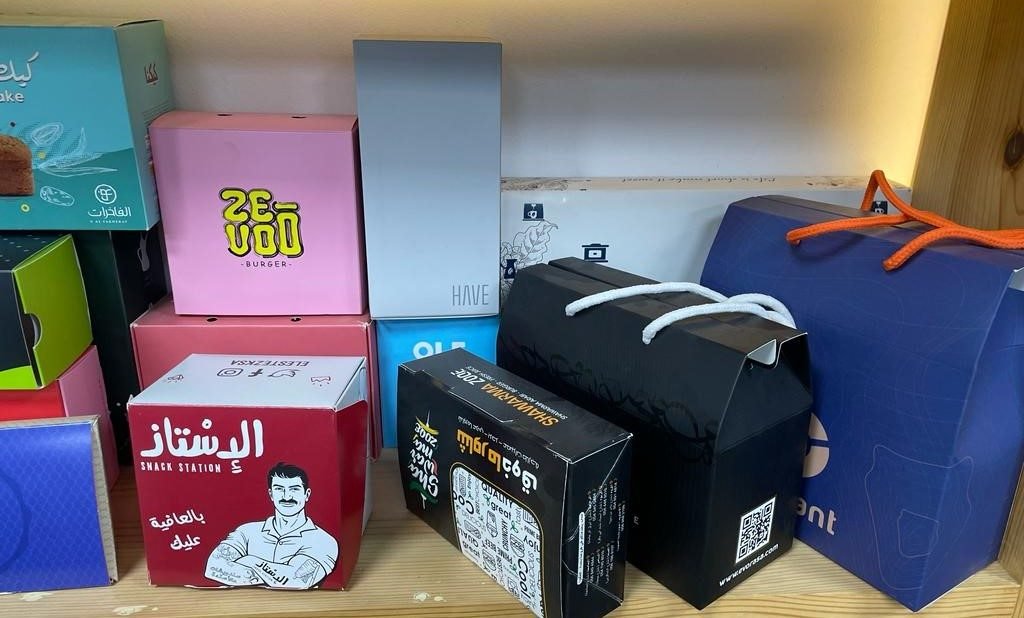
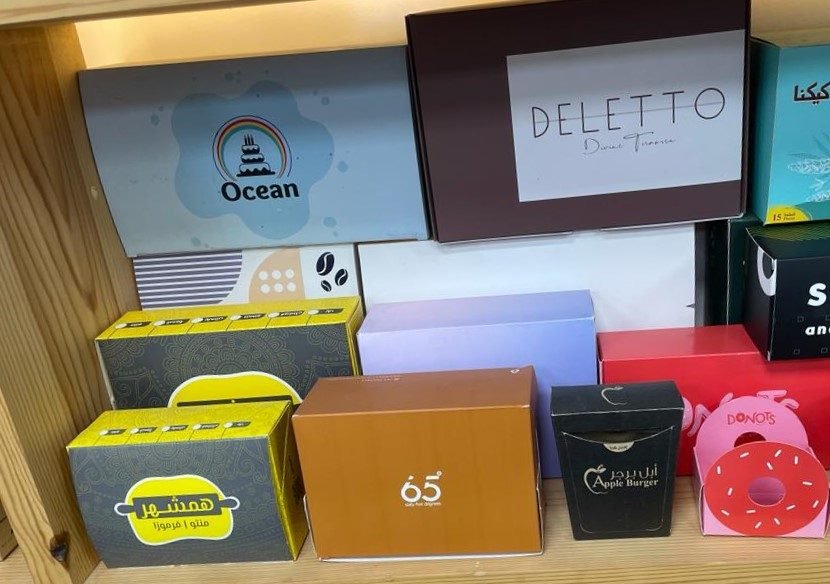
Product and gift boxes we designed, printed and finished for our clients.
Questions About Paper Cup Printing
What café owners, coffee brands and event teams ask before they order printed cups.
Single or double wall for hot coffee?
A double wall cup keeps the heat off the fingers without a sleeve and feels firmer in the hand. A single wall cup with a printed sleeve costs less and lets you refresh the look from season to season. The choice comes down to how your drinks leave the counter and how your brand should look.
Do you print cups for cold drinks?
Yes, on paper cold cups coated on both faces so condensation does not soften them, with a dome lid or a flat lid for a straw. It is worth trying the design on a sample cup filled with a cold drink before the full run.
Do you also supply lids, sleeves and carriers?
Yes. We supply the lid that fits each cup size, printed sleeves, cup carriers and kraft bags as one set that arrives together and matches. Each piece is a line of its own in the quote, and you can order the cups alone if you already have the rest.
Is the cup safe for food contact?
The cup stock and the inks should be suitable for food contact, and the print sits on the outer face only. The quote names the cup material and its lining. As the food business, you decide what your products need and keep the supplier's material details on file.
What is the minimum order?
The minimum depends on the cup body, the size and the print method, and it is set for each design. Ask for it in the quote, together with the reorder quantity, before you approve.
How many colours can the logo have?
A logo in one colour is the most economical choice and the clearest to read. Full colour designs, gradients and photographs are possible with methods that build colour from process inks. The quote states the method and how many colours it carries.
Can each size or each season have its own design?
Yes. Each size has its own template, and seasonal designs for Ramadan, National Day or Founding Day are printed as separate designs. A seasonal sleeve over a standard cup is a lighter way to change the look.
Can the cups be recycled or composted?
That depends on the lining. A plastic lined cup needs a recycling route that accepts it, and a plant based lining usually breaks down only in an industrial composting facility. Any green claim printed on the cup has to match what the material supplier certifies, so we print only what you can back up.
How do reorders keep the same colour?
Keep the approved proof and some cups from the first run as your reference. The template and colour references are used again, and the new run is checked against that reference.
Where are you, and how do we start?
We have more than one location in the Kingdom, and the cartons reach every branch address you give us. Send your logo, the drinks you serve and the sizes on your menu on WhatsApp at 0567069088 or through the quote page, and an itemised quote follows within 24 hours.
Your Logo on Every Cup That Leaves the Counter
Send your logo, your menu sizes and the branches that receive the order. Within 24 hours you have an itemised quote for your paper cup printing that names the cup body, the print, the lids and the carriers.
More specific pages on this
If your question is narrower than this page, these are written for one question each.

