
Product Sampling in Saudi Arabia
Product Sampling in Saudi Arabia From First Taste to Purchase
Product sampling in Saudi Arabia puts your product in a shopper's hand at the moment they can still buy it: a tasting at the end of a supermarket aisle, a tester at a pharmacy counter, a cold drink at a festival gate. A campaign works when the counter, the people, the permission and the numbers line up: a clean counter that is easy to spot, promoters who know the product, the approval of the store or venue, and results you can read the next morning. This page explains the formats, who decides what, how the stock of samples and food safety are handled, and how a tasting is tied to an offer so that trying becomes buying.
What a Campaign Needs Beyond a Tray of Samples
A sample on its own is a cost. Product sampling in Saudi Arabia pays back when the place, the people, the permission and the measurement are planned together.
A counter shoppers notice and trust
Shoppers decide in a second whether to step towards a sampling point or walk on. A counter in the brand's colours, with a top that wipes clean, the product on show and the waste out of sight, looks safe to eat from. A folding table under a cloth does not, whatever is placed on it.
Promoters who know what is in the pack
The first question at the counter is often about sugar, allergens, halal status or price, not flavour. Promoters prepared on the product answer in a sentence and then hand over the offer, and a supervisor keeps the pace and the standard the same on every shift and at every location.
Written permission before day one
A supermarket, a mall, a pharmacy chain, a university or an event organiser each decides whether tasting happens on its floor, where, and at which hours. Their approval is the start of the plan, not something to request at the last minute.
Numbers every evening
Samples handed out, conversations held, repeated questions, coupons given and shopper feedback are recorded day by day, so a weak location or a quiet hour shows up while the campaign is still running, and effort moves to where it pays.
What Is Built Around the Sampling Point
The counter and the team are the centre. These come from teams under the same roof.
Printing & Promotional Gifts
Shelf talkers, coupons, leaflets, printed paper cups and the bag for a full size pack when someone buys. Graphics are printed in 1 to 5 working days.
Acrylic & Wood Fabrication
Tester stands, sneeze guards over open trays, price and offer holders and product risers, cut on the CNC and laser machines in our factory.
Promoters & Brand Ambassadors
Promoters and hosts trained on your product before the first shift, working with a supervisor and sending a daily report.
Branding & Creative Studio
The counter artwork, the wording of the offer and the coupon design, held to the brand's colours at every location.
Digital Solutions
A tablet at the counter for consented sign ups, feedback questions and coupon codes, with its results in the daily report.
Experiences & Events
A sampling point can grow into a stage moment, a live cooking demonstration or a game that gathers people around the counter.
Social Media & Content
Photos and short video of the tasting at work, ready for the brand's channels the same day.
Custom Exhibition Stands
When the tasting happens at a trade show: a full stand with a tasting bar built into its design.
Formats for Product Sampling in Saudi Arabia and Where Each One Fits
The same product is sampled one way in a hypermarket, another in a pharmacy and another again in an office lobby. Choose the place where the buyer already is, then the format that suits it.
Supermarkets and hypermarkets
The classic in store tasting: a counter near the shelf, small portions and the product on sale a few steps away. It suits food, drinks, snacks and household products, and its best hours are evenings and weekends, when families shop together. In Ramadan, eating and drinking in public stop during the day, so food tasting moves to the hours after iftar or turns into take home samples. The store chooses where the counter stands, and it is rarely the spot the brand would pick.
Malls and their common areas
A sampling point in a mall corridor or atrium reaches a wide audience in a shopping mood, but the product is often not sold beside it, so the offer has to point to a store, an app or a website. The mall management sets the spot, the hours, the fee and what may be served in common areas.
Pharmacies and beauty counters
Skin care, baby care, supplements and personal care are tried through testers, sachets and travel sizes, often with a short consultation, and each tester is used with a fresh disposable applicator. The pharmacy and the chain decide what may be offered and who speaks about it, and anything classed as a medicine follows the authority's rules, not the brand's plan.
Offices and universities
Coffee, energy drinks, healthy snacks and new services reach a defined audience in a staff canteen, a reception area or a campus event. Access is arranged with the company's facilities team or the university, and the sample usually comes with a voucher, because nobody can buy on the spot.
Events and festivals
Big crowds, long hours and heat. Drinks, ice cream and snacks fit well, but the counter needs shade, a stock point behind it and a team that can keep up with the rush when the gates open. The organiser decides the position and what may be served, and sometimes reserves a category for a sponsor.
Door to door and with deliveries
A sample added to an online order or a delivery bag, or handed out in a residential compound with the management's permission, reaches homes a store cannot. Nobody is there to explain, so the pack, the printed card and the offer code do all the talking and must be clear without help.
How a Sampling Campaign Runs, Step by Step
Product sampling in Saudi Arabia passes through the same stages, whether it covers a single branch or a whole chain.
The goal and the shopper
We start from what the campaign has to achieve: trial of a new flavour, a switch from a competing product, sign ups, or sales in a named chain. That goal chooses the locations, the days and what is counted in the report.
Approval from the store or venue
The retailer, the mall or the organiser receives the plan with the counter drawing, the dates, the hours and the staff list, in the format they ask for. We prepare that file and the decision is theirs; some add conditions on the position, on sound or on what may be served.
The counter and the printed items
The tasting counter is built in our own factory in the brand's colours: a top that wipes clean, room for trays and portion cups, a closed bin, and a size that fits the spot the store gives. Coupons, shelf talkers and leaflets are printed alongside it.
Training and the stock plan
Promoters learn the product, its ingredients, the claims the brand allows and the offer, and rehearse the short line that opens a conversation. In parallel the quantity of samples is planned with the brand per location and per day, so nothing runs out on a busy evening or sits unused.
Days on the floor
Promoters work in shifts that cover the peak hours, with a supervisor who visits the locations, checks the counter, the portions and the stock, and deals with any request from the branch manager. A daily report reaches the brand every evening.
Closing and reading the results
The counter is collected and can be kept in our storage for the next wave. The brand receives the campaign totals, the feedback, the consented sign ups and the photographs, to read against the sales the retailer or distributor shares.
How Long the Preparation Takes
Your quote
An itemised quote within 24 hours of receiving the locations, the dates and the product.
Printed items
Coupons, leaflets and counter graphics are printed in 1 to 5 working days after the artwork is approved.
The counter
It depends on whether it is a new design or a rework of an existing counter, on its finish and on how many locations need one. The quote states the date.
The approvals
They depend on the retailer or venue and on the season. Start the request as soon as the dates are known; the plan is counted back from the date they give.
What Shapes a Sampling Budget
There is no fixed price list for sampling campaigns, because each one is priced from its locations and its days. These are the lines that move a quote up or down, and knowing them lets you compare two offers on equal terms.
Locations, days and hours
Each store, mall or event adds a counter, shifts and supervision. A long weekend in a handful of busy branches can cost less and achieve more than thin coverage across many quiet ones.
The team
Promoter hours, peak shifts, the languages needed and the supervisor are separate lines. A team that also records data or gives live product demonstrations needs longer training than one that only hands out.
The counter: rent or own
A counter used for a single wave can be rented. A brand that samples every season usually saves by owning a counter built for it and kept in our storage between waves.
Printed items and giveaways
Coupons, cups, leaflets, bags and small gifts are priced by quantity and finish, and they are easy to over order. Order them to the stock plan, not to a round number.
Fees set by the venue
Some stores, malls and organisers charge for the tasting spot, for power or for cleaning. Those fees are theirs and appear as named lines, so they are never buried inside the service price.
The samples themselves
Whether the samples come from the brand's own stock or are bought from the store's shelf, they are usually the largest line outside the service, and the portion size you choose decides how many shoppers the stock reaches.
Send the product, the locations you have in mind, the dates and the goal. An itemised quote reaches you within 24 hours. Request a quote or message 0567069088 on WhatsApp. When the tasting runs on an exhibition stand, our guide to exhibition stand cost in Saudi Arabia shows how that budget is built line by line.
Who Approves a Tasting, and What They Usually Ask
A tasting happens on a floor someone else owns, so the owner of that floor decides. A supermarket or hypermarket chain usually approves through its head office or its category team, then the branch manager places the counter, and some chains require the samples to come from their own shelves. A mall approves through its management and its marketing team, with fixed hours and a fee. An event organiser, a university or a company each sets its own conditions. Food and drink served to the public are the brand's responsibility in content and handling, and the municipality or the competent authority decides what staff and counters need, often including a health certificate for anyone serving food, which the venue asks to see before the first shift. We prepare the drawings, staff lists and paperwork the store or venue asks for, and the approval stays with them. The people behind the counter are on our promoters and brand ambassadors page, and the counter itself on promotional counters. A brand that wants a permanent point of sale rather than a campaign belongs on mall kiosks, and display units that stay on the shelf after the tasting are covered by POSM production in Saudi Arabia. Coupons, leaflets and printed cups come from printing and promotional production, and a tasting that grows into a full brand moment belongs to our experiences and events service. A campaign that takes over a mall atrium with a build and a stage is a mall campaign rather than a tasting point. Screens, games and immersive set ups that visitors play with are interactive brand experiences, with a brief of their own.
Is a Tasting the Right Tool for Your Product?
Tasting is strong for some products and a waste for others. These questions settle it before any budget is spent.
Does a quick try explain the product?
A new flavour, a better texture or a fragrance is understood in seconds, and tasting sells it. A product whose benefit only shows with regular use needs a take home sample or a consultation, not a cup on a tray.
Can the shopper buy it within sight?
The strongest tasting points stand near the shelf, with the product in stock and the offer on the price label. If it cannot be bought nearby, give a coupon, a code or a link that works the same day and carries the location name, so you know where the buyer came from.
Do you want reach or data?
Handing out as many samples as possible and collecting consented contacts are different jobs: the first needs speed at the counter, the second a conversation and a tablet. Decide which matters more, and brief the promoters for that.
Who is the buyer, and where are they?
Families shopping for the home are in the hypermarket in the evening, students on campus at midday, office staff in the canteen at the break. The location follows the buyer, not the crowd, and the hours follow their habits, not the store's opening times.
A single wave or a whole season?
A launch tasting over a few weekends can run with a rented counter. A brand that returns every season, in Ramadan, in summer and at back to school, gains from a counter of its own and a team that already knows the product.
Where Sampling Campaigns Go Wrong
Each of these is cheap to prevent in the plan and expensive in the middle of a campaign.
A tasting beside an empty shelf
The shopper likes the taste, walks to the shelf and finds a gap. Check stock with the store and the distributor before every weekend, and keep the counter close to where the product is sold.
Warm product served as chilled
A drink or dairy product that has stood too long out of the cold tastes wrong and may not be safe. Keep at the counter only what the coming rush needs, keep the rest cold, and throw away anything that has warmed instead of putting it back.
Samples gone before the evening
Without a daily plan the team hands out freely in the morning and the evening peak finds an empty tray. Set portions per shift and per location, and record what is left at the end of each day.
Questions nobody can answer
Ingredients, allergens, halal certification, price, where to buy. A promoter who guesses damages trust in seconds. Training covers these questions, and anything uncertain goes to the supervisor or the brand, never to an invented answer.
Data taken without consent
A mobile number taken without telling the shopper what it is for is not a lead but a problem for the brand. Ask plainly, explain the use, record the consent and never make the sample depend on giving details.
No baseline to measure against
If nobody knows what the store sold before the campaign, nobody can say what the tasting added. Agree the comparison with the retailer before day one: the period before, a similar branch without sampling, or both.
Counter, Print and People From One Team
The tasting counter, its acrylic pieces and its printed graphics are made in our own factory, and the promoters and hosts who stand behind it work with a supervisor, so the brand deals with one company from the drawing to the daily report. That is what we mean by a sampling campaign: the whole operation, not only the staff. We have worked for Kinan, Ganache, Saudia, Saudia Holidays, Swarovski, Gucci Flora and Johnson & Johnson MedTech. On our largest events, a single project has brought together 300 to 1,200 organisers.
Mall Campaigns From Our Work
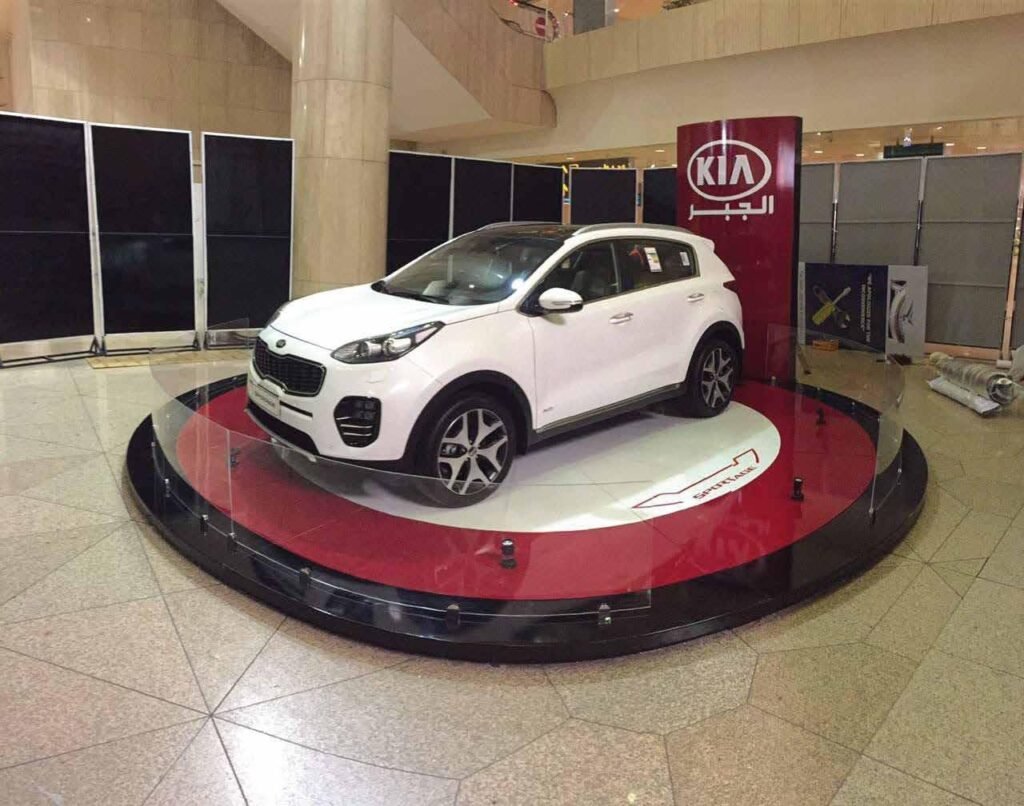
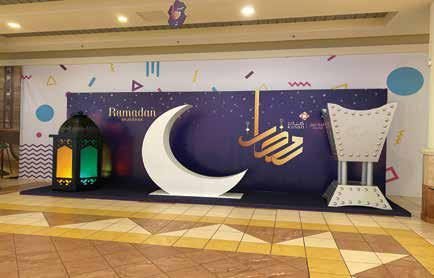
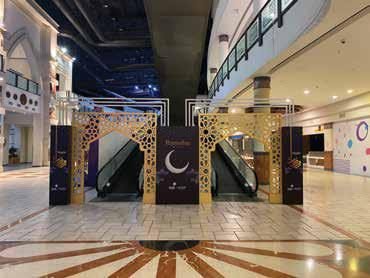
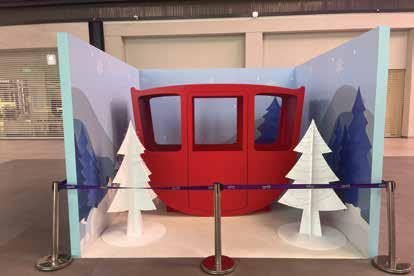
Brand corners and campaigns we delivered inside malls.
Questions About Product Sampling in Saudi Arabia
What marketing managers ask before they book a sampling campaign.
What is product sampling?
Product sampling means giving people a small amount of a product to try for free, at a moment when they can buy it or will remember it. It covers in store tastings, testers and sachets, samples added to deliveries and samples at events. Its purpose is a first try from someone who would not have bought the product otherwise.
Where can a brand run product sampling in Saudi Arabia?
In supermarkets and hypermarkets, malls, pharmacies, offices, universities, events and festivals, and through deliveries. Every place has an owner who must approve it, and the right choice is where your buyer already shops, not simply where the crowd is largest.
Who approves a tasting in a hypermarket?
The retailer does, usually through its head office or the category team, and then the branch manager on the day. Some chains link sampling to a listing or a promotion agreement with the brand. We prepare the counter drawing, the dates and the staff list they ask for, and the decision is theirs.
Do you provide the promoters?
Yes. Promoters and hosts are trained on your product before the first shift, work with a supervisor and send a daily report of samples handed out, conversations and shopper feedback. Shifts are planned around the peak hours of each location.
Do you make the tasting counter?
Yes, in our own factory and in your brand's colours, with a top that wipes clean, room for trays and cups and a bin out of sight. It can be rented for a single campaign, or built for you and kept in our storage between waves.
Who is responsible for food safety at a tasting?
The brand is responsible for its product: its content, its label and how it must be stored and served. The municipality or the competent authority sets what food handling staff and counters need, and the store or venue checks it before allowing the tasting. Promoters follow the brand's handling instructions and the venue's rules on every shift.
How are chilled samples kept cold?
The product travels and waits in cold storage, and only what the coming rush needs stays at the counter, in a cool box or a fridge where the venue provides power; the counter can be designed with a space for the brand's own fridge or cool box. A good plan checks temperatures through the day and throws away anything that has warmed rather than returning it to the cold.
Can we collect shopper data at the counter?
Yes, with consent. The promoter explains what the details are for, the shopper agrees on the tablet, and the sample is given whether they sign up or not. The brand's own privacy terms decide how the data is used afterwards.
How do we know the tasting worked?
Compare the product's sales in the sampling branches with the period before, or with similar branches without tasting, using figures from the retailer or the distributor. Add the coupons redeemed, the consented sign ups and the feedback from the daily reports. Agree this comparison before day one, not after the last day.
How do we start?
We have more than one location in the Kingdom. Your counter is built in our own factory, and our promoters and their supervisor run the campaign days. Send the product, the locations, the dates and the goal on WhatsApp at 0567069088 or through the quote page, and an itemised quote follows within 24 hours.
A Sampling Campaign for Your Next Launch?
Send the product, the locations and the dates. Within 24 hours you have an itemised quote that names the counter, the team, the printed items and every venue fee we know of.
More specific pages on this
If your question is narrower than this page, these are written for one question each.

