
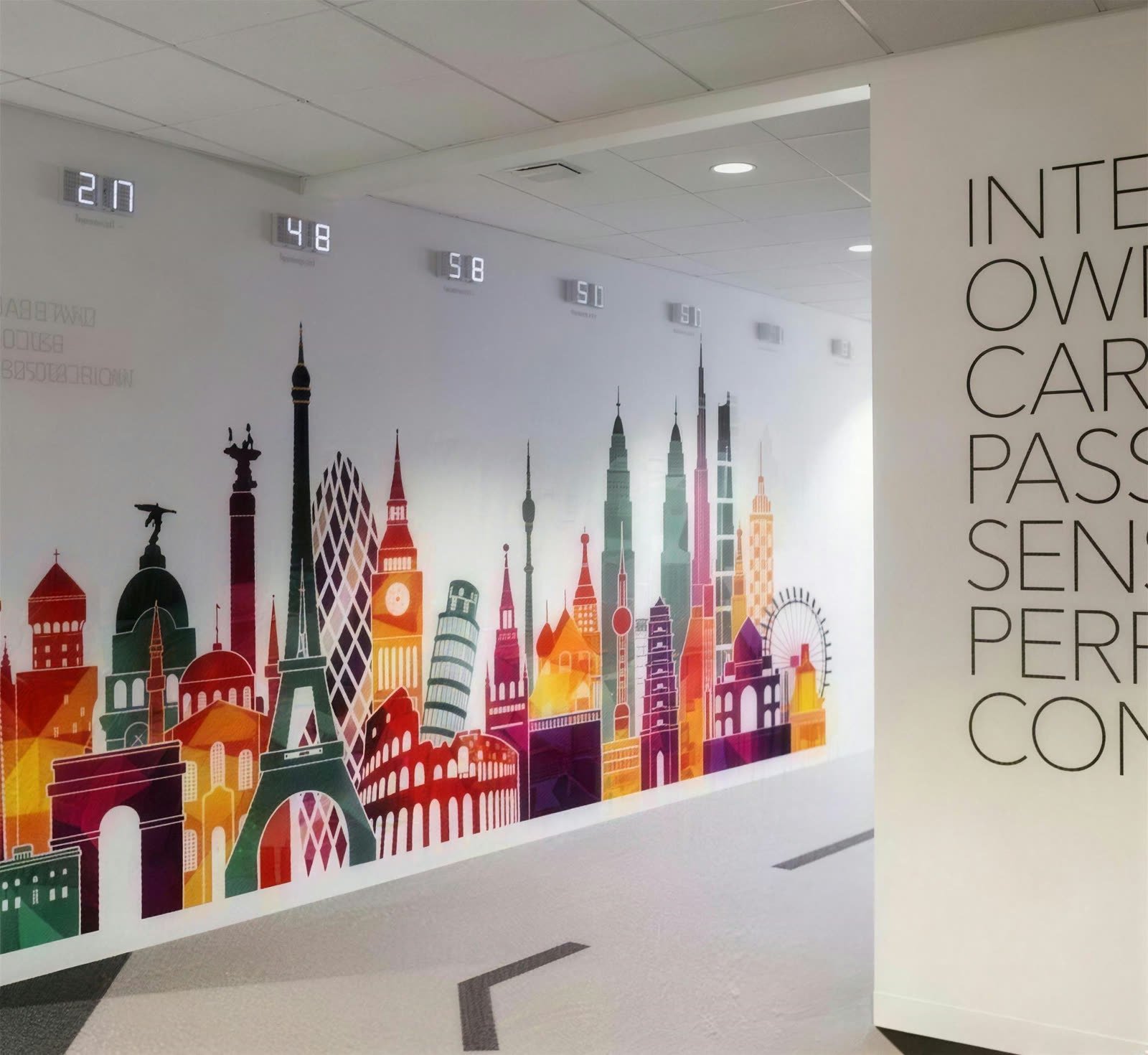
The identity is approved on screen, a clear warm purple, then the panel arrives at the show and the purple leans blue, the pink looks tired and the white is closer to grey. Nobody necessarily made a mistake. Most often, nobody asked the right question before printing.
This guide to print colour matching explains why colours on paper and vinyl differ from colours on a screen, what changes them from one material to the next, and how to protect your brand identity with one inexpensive step before production: the proof.
Why print colour differs from the screen
A screen makes colour from light: red, green and blue lit over one another, a system called RGB. A printer makes colour from ink: cyan, magenta, yellow and black laid over one another to absorb light, called CMYK.
Light can produce more saturated colours than ink can. That is why some colours you see on screen cannot be produced by any printer as they are, most often saturated purples, vivid greens and sharp oranges. Send a file with those colours to print without converting it, and the machine picks the nearest colour it can reach, which is usually not the one you wanted.
If your brand colour is a saturated purple or green, it is among the first colours to shift in print. Know that before you approve the design, not after the delivery arrives.
Four things that change colour after the file
Even with a correct file, colour changes with what it is printed on and where it is shown. These four are what we review before any order:
| Factor | What happens to the colour | What to do |
|---|---|---|
| Material | Gloss vinyl saturates, matte calms, fabric absorbs ink and dulls, acrylic shifts with its thickness | Proof on exactly the same material |
| Base colour of the material | Paper and vinyl are not one white, and a warm white warms every colour on top of it | Ask about the material and its white before approving |
| Machine and ink | Two machines print the same file in slightly different colours | Print adjoining pieces on the same machine |
| Venue lighting | Warm or cool hall lighting changes what the eye sees | Check the proof under light close to the venue’s |
The third factor frustrates clients most: two adjoining panels on the same stand in slightly different colours because they were printed in two places. That is why we print every piece of a project on the same machine and from the same ink batch in our print department.
Pantone: when you need it and when CMYK is enough
Pantone is a numbered colour system in which every colour has a fixed number and a premixed ink, so it comes out the same in any print shop in the world. The official reference is Pantone’s own site.
- You need Pantone when the colour is the brand itself: logos, large signage, packaging that is reordered.
- CMYK is enough for colourful, image heavy print: banners, wall graphics, brochures.
- The practical answer is a brand guide with four values for every colour: Pantone, CMYK, RGB and HEX. Without all four, the decision is left to the printer.
The proof: the step that saves a reprint
A proof is a small piece printed on the same material and the same machine before the full run. It costs little, usually takes a day, and it is the only thing that shows you the real colour before you pay for the whole quantity.
- Request it on the final material, not on plain paper.
- Review it under light like the venue’s, not office light.
- Sign it, and keep it as the reference for every repeat order.
- Compare it with a previous print you were happy with, if you have one.
At exhibitions the proof matters more than anywhere, because a graphic found wrong on install night has no time to be reprinted. That is why it is one of the items we put in the schedule for exhibition stands before fabrication starts.
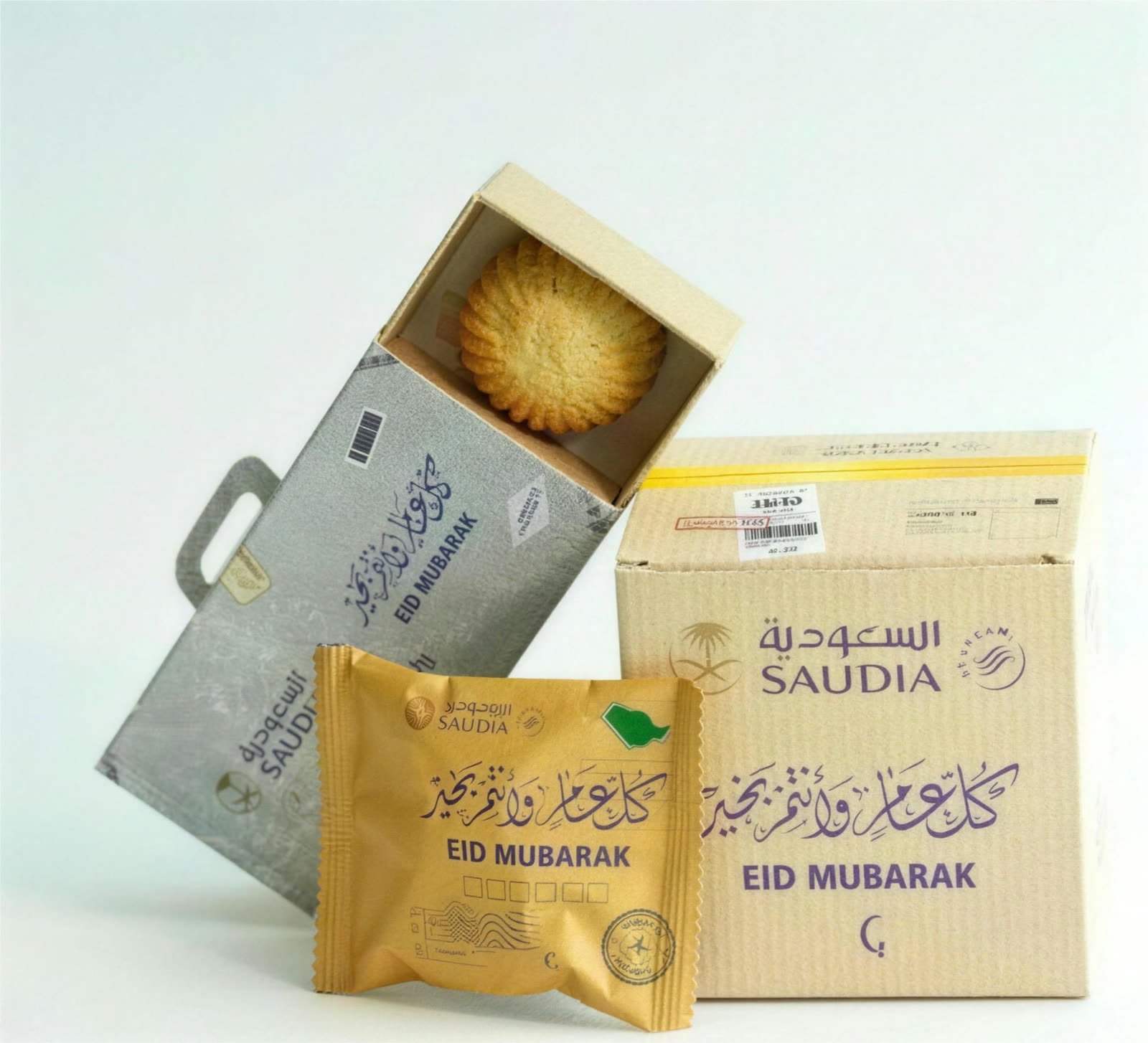
The print ready file checklist
Before sending any file, check these seven items. They are what any professional print team asks for, and missing them is the reason behind most delays:
| Item | What is needed |
|---|---|
| Colour mode | CMYK, or a named Pantone number for core colours |
| Resolution | 300 dpi for print seen up close, 100 to 150 dpi for large graphics at full size |
| Size | Final trimmed size, and for walls the size between posts from the exhibitor manual |
| Bleed | 3 to 5 mm around the design, more on wall graphics |
| Fonts | Outlined, or supplied with the file |
| Logo | A vector file, not an enlarged image |
| Format | A print PDF, or the designer’s original file with linked images |
Five mistakes that repeat
- Sending an RGB file straight from the screen. The machine converts it its own way, and the result is not what you saw.
- Approving colour on a phone screen. Phone screens are tuned to look more vivid than reality.
- Splitting one order across several printers. Two adjoining panels, two different colours.
- Enlarging a low resolution logo. Its edges break up on a large panel however right the colour is.
- Skipping the proof to save time. A day for the proof is far less than a full reprint.
Timing: how long printing takes
Printing itself takes one to five working days depending on quantity and material, plus a day for the proof and its approval. For exhibitions, have print files approved at least two weeks before installation so there is time to correct anything. For the rest of the schedule, read custom stand vs shell scheme, which sets out the lead time of each option in Saudi Arabia.
Frequently asked questions
Why does my brand purple print blue?
Because saturated purple is one of the colours a screen makes with light and ink cannot reach. Printed without careful conversion, the machine picks the nearest colour it can produce, which usually leans blue. The fix is a considered conversion or a Pantone number, then a proof.
Does a proof add much cost?
No. It is a small piece on the same material and a fraction of the order, while reprinting one large panel can cost as much as the order itself. On larger projects we treat it as part of the work, not an extra.
Can a colour be matched exactly on every material?
Very closely, yes. Literally identical on every material, no, because fabric, vinyl and acrylic reflect light differently. The goal is pieces that sit together naturally on site, which a proof on each material makes sure of.
How long does printing take?
One to five working days depending on quantity and material, plus a day for the proof. Rush orders are possible, but skipping the proof on them is a risk we do not recommend.
How do digital and offset printing differ in colour?
Offset is more precise and consistent in large runs and supports mixed Pantone inks; digital is faster and more economical in small runs and large formats. We choose between them by quantity, material and how critical the colour match is.
My brand guide has no CMYK values. What now?
Send what you have, and we define the closest values with a proof for each core colour, then hand you the approved values to add to your guide and use with any printer afterwards.
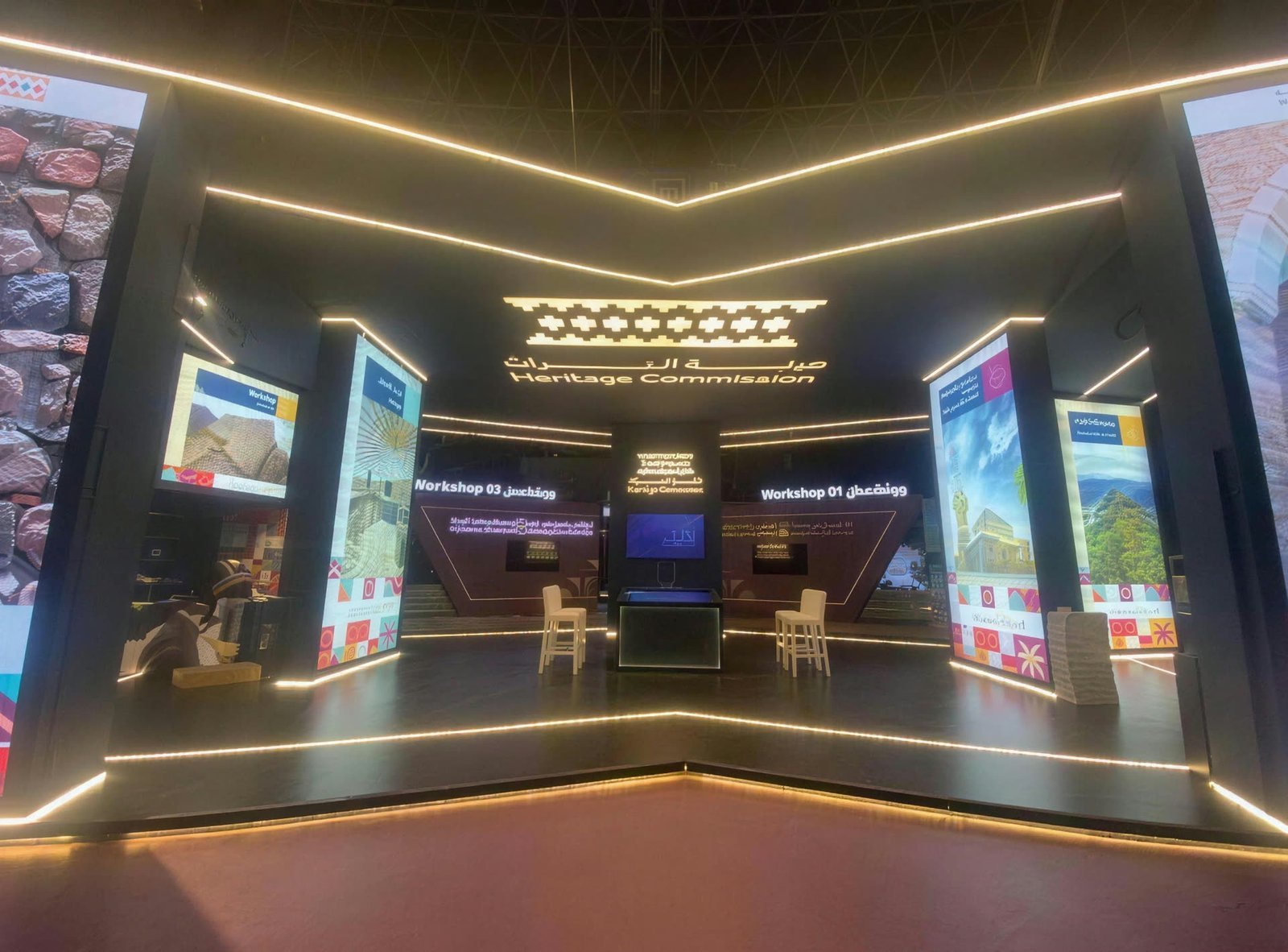
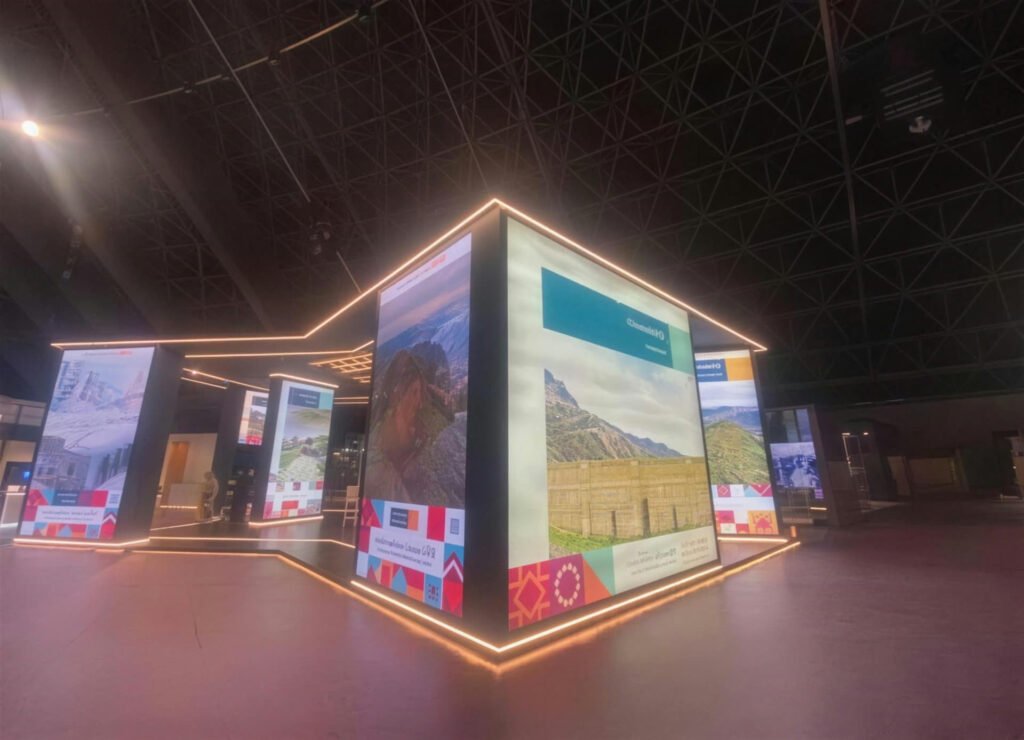
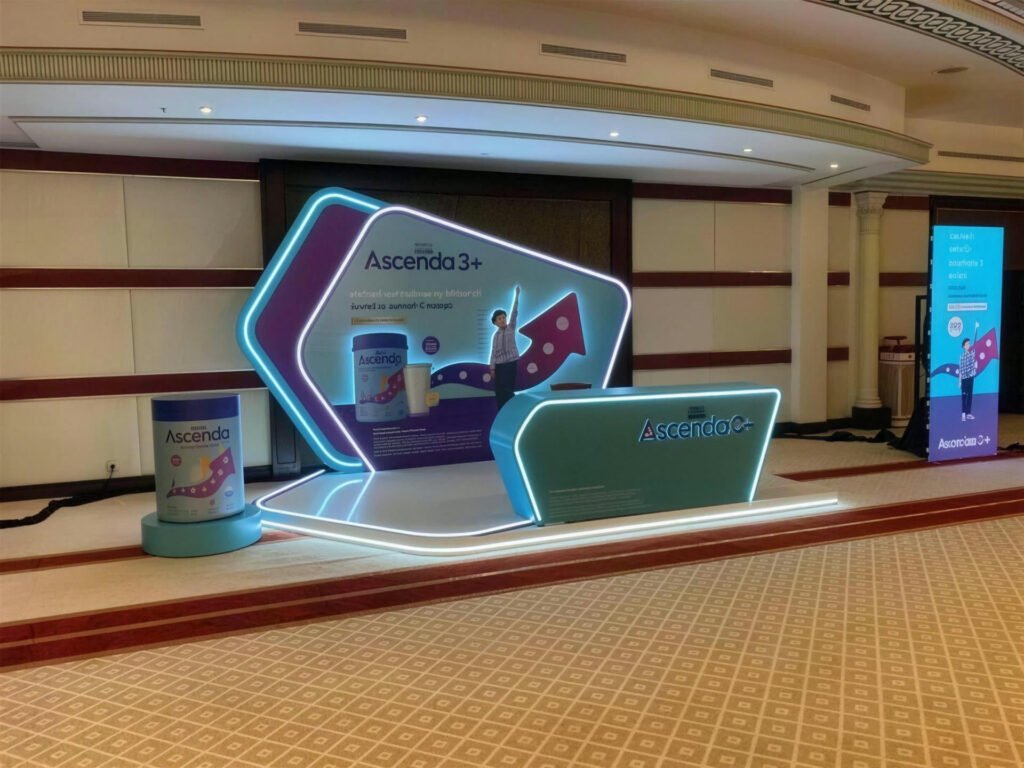
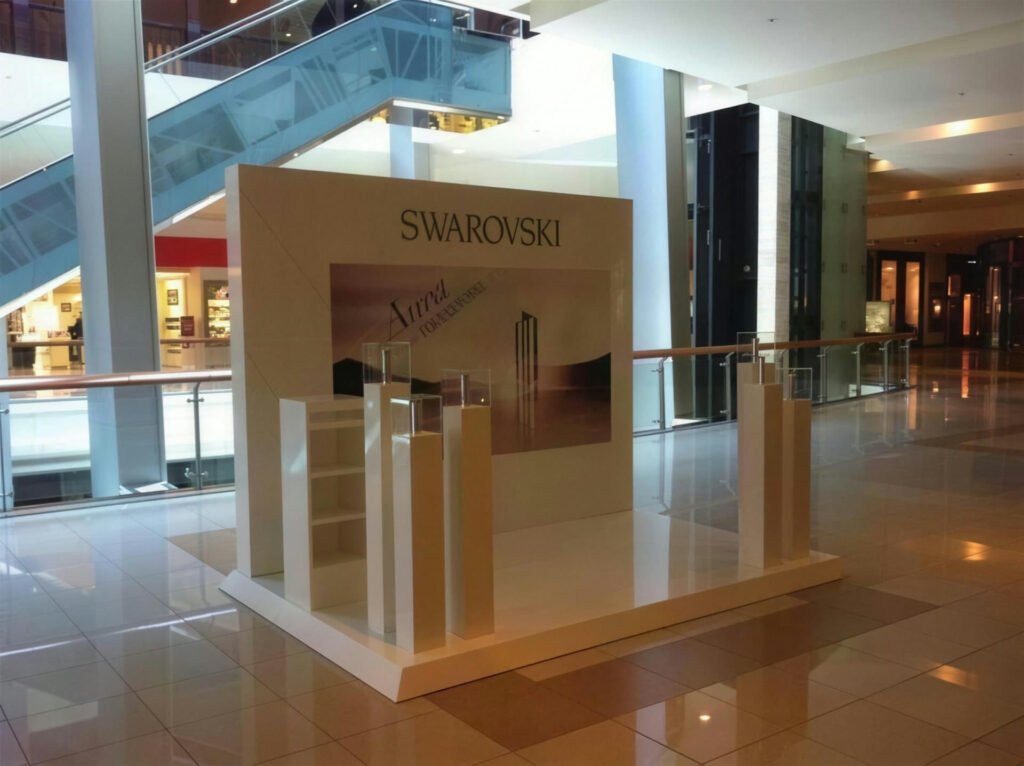
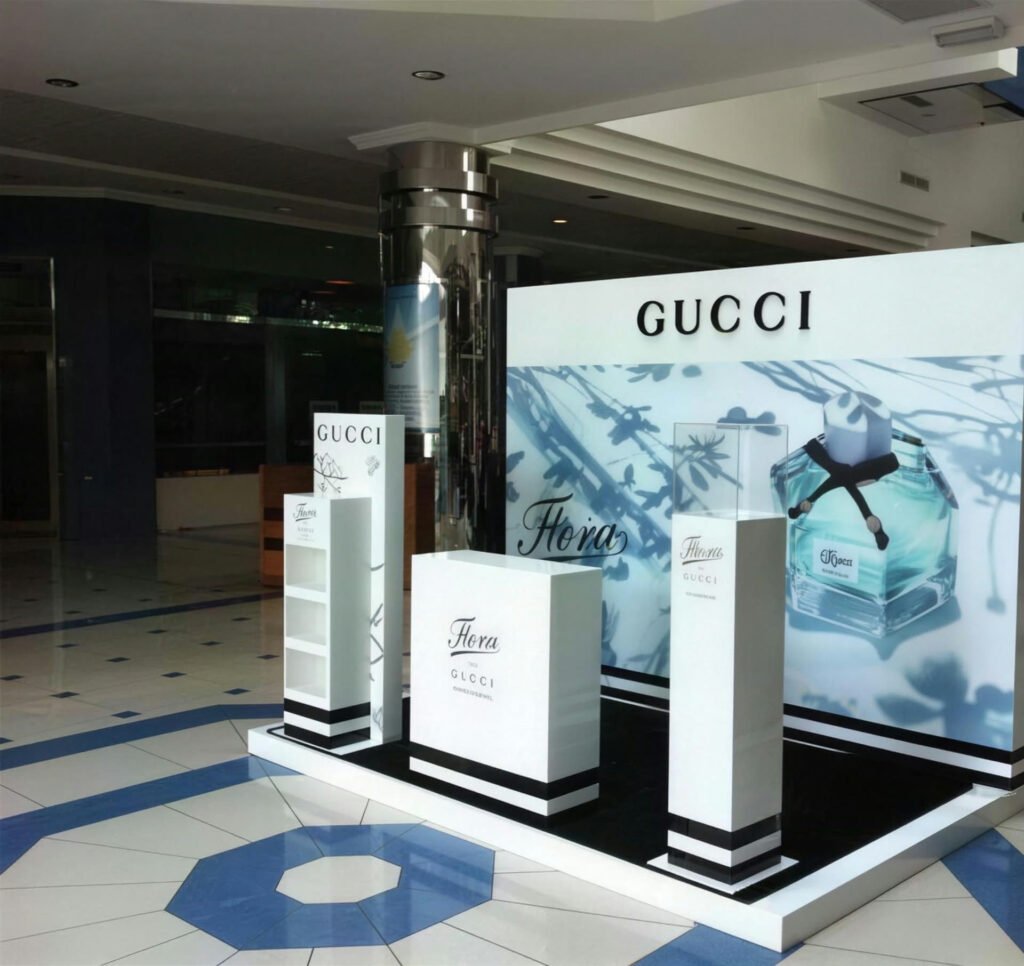
Stands we designed, built and installed
Photographed on site after handover, no renders.
Have a project and want a real number?
Send the area, the date and the city, and we come back with an itemised quote within 24 hours. No commitment, and no vague all-in price.

