
Mall Activations in Saudi Arabia: Rules, Permits and Timing
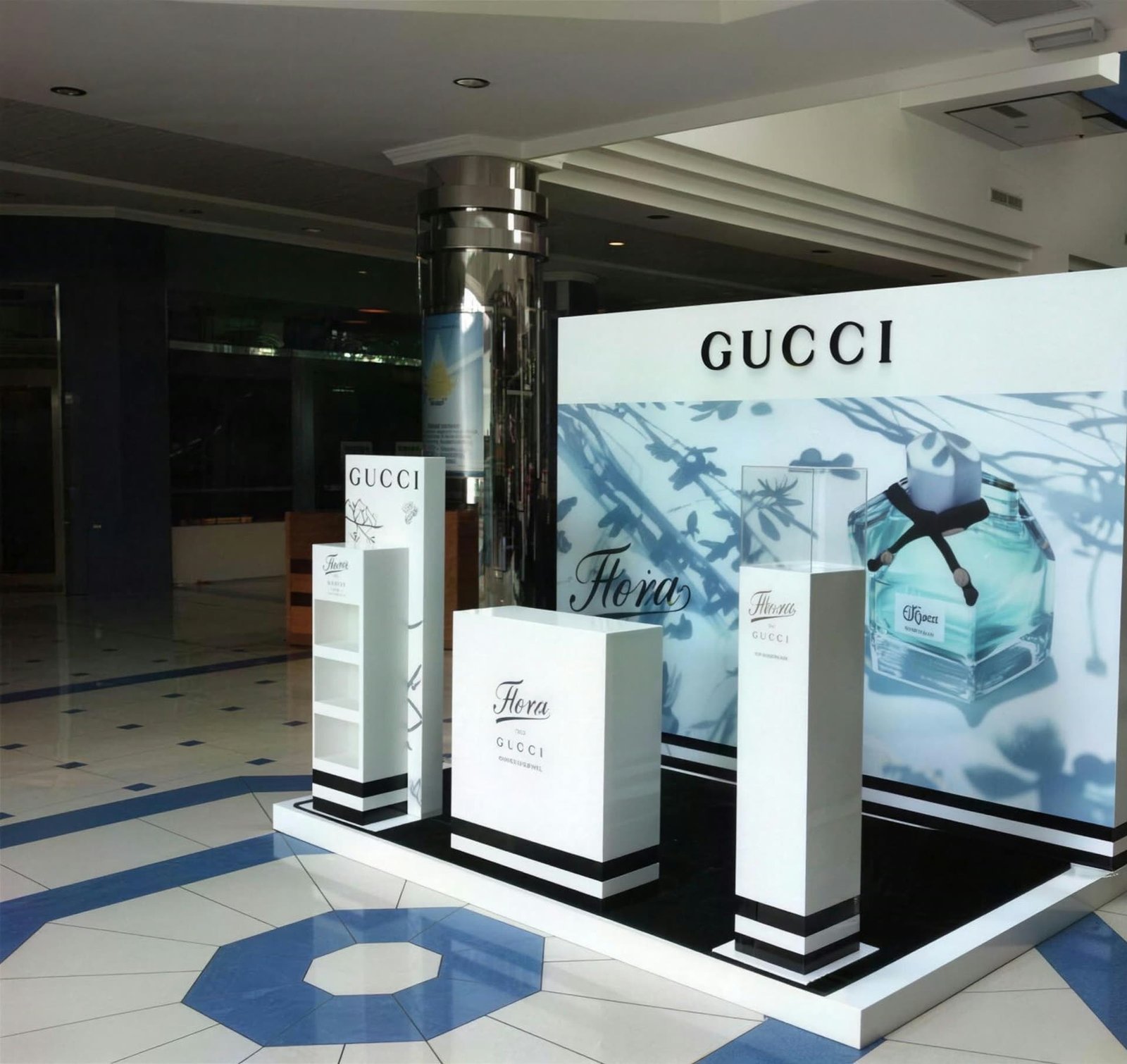
A mall is not a small exhibition. At a show people come to look; in a mall they came to shop and walk past you by accident. At a show you deal with one organiser; in a mall you deal with four departments, and any one of them can stop you.
That is why most mall activation projects go wrong. It is rarely the idea or the design. It is a list of requirements nobody read until install night. Here is that list, as we live it on the mall activations we build in Riyadh, Jeddah and Dammam and across Saudi Arabia.
Who approves what
The first mistake is agreeing with one department and assuming the door is open. Each one approves something different, and a missing approval means standing at the loading bay.
| Department | What it approves | When to ask |
|---|---|---|
| Leasing | The space itself, the dates, the price, the contract | First of all, and the clock starts here |
| Marketing | The concept, the design, the graphics and brand messages | Within a week of booking the space |
| Operations | Power, supply points, floor protection, the loading route | With design approval, not after it |
| Safety and security | Heights, fire rated materials, escape routes, staff passes | Three working days before the build window |
The working rule: do not start fabrication until operations and safety have approved in writing. A verbal yes from the marketing coordinator does not open the loading bay at midnight.
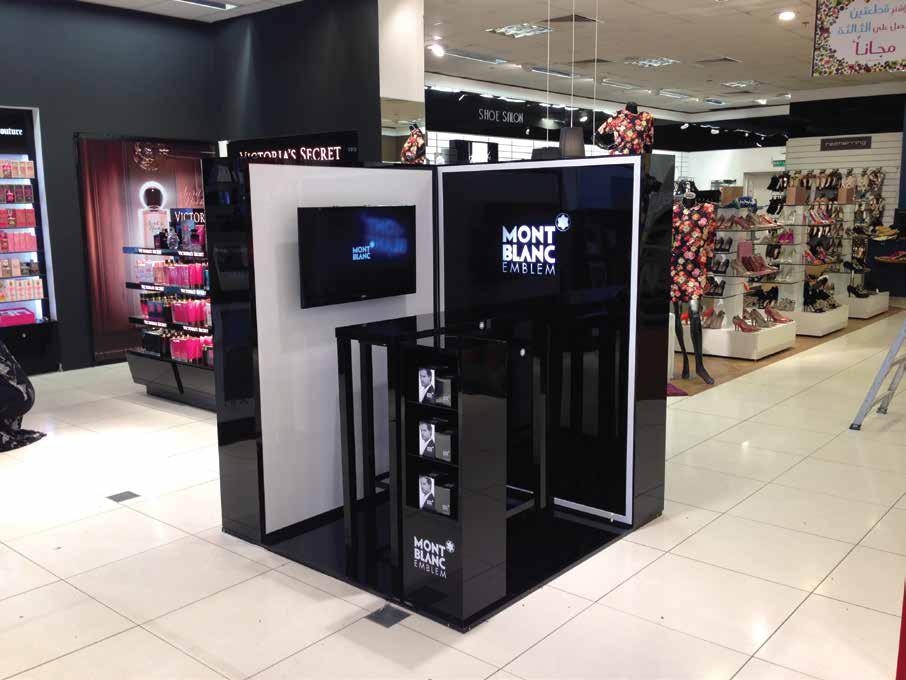
The requirements that repeat in every mall
Malls differ in detail and agree on nine points. Prepare these from the start and you will pass in most venues without a redesign:
- Height. Usually between 2.5 and 3.5 metres in the walkways, and lower under bridges and skylights. Measure the spot yourself rather than trusting the plan.
- Floor protection. Marble takes neither direct adhesive nor metal castors. The answer is a protective layer under every base, and it is a line item, not a courtesy.
- Fire rated materials. Certificates are requested with the drawings. Unrated fabric and foam are the single most common cause of rejection.
- Power. The supply point can be twenty metres away, and running a cable across a walkway is not allowed without an approved cable ramp.
- Sound. Most malls either ban speakers or cap the level, and music audible inside a neighbouring shop becomes a complaint.
- Scent and food. Tasting and fragrance need an extra permit, and sometimes health certificates for the staff.
- Distribution. Handing out gifts or flyers outside your own footprint is usually forbidden, which changes the whole activation plan.
- Photography. Filming visitors needs permission, and video usually needs to be arranged with security in advance.
- Staff passes. Name and ID for every person days ahead. Anyone without a pass does not enter, project manager included.
Ask the mall for its fit out manual at the first meeting. Most malls have one, most clients never ask, and ninety per cent of the answers are in it.
The build window, and why it is at night
A mall does not close so a kiosk can be built. Installation starts after the shops shut and ends before the doors open, typically midnight to six in the morning. That forces three design decisions early:
- Pre built parts that assemble fast, because six hours is not enough to fabricate on site.
- Sizes that pass the loading bay and the service lift, the most common surprise of all: an excellent piece that will not fit through a 120cm door.
- Enough crew on that particular night, because the window is not extended and does not come round again.
Which is why we measure the loading bay and the lift before the design is approved rather than after. Measuring is one phone call; refabricating is a week, and on a mall activation there is no second installation window to fall back on.
Timing
The schedule below is the realistic rhythm for an activation inside a mall, and every week of delay is paid later in rush fees or a worse location.
| Before launch | What gets done |
|---|---|
| 8 weeks | Mall and position chosen, dates and price negotiated |
| 6 weeks | Space contract signed, design started on the real site dimensions |
| 4 weeks | Marketing approves the design, drawings and material certificates submitted |
| 2 weeks | Fabrication, staff briefed and passes applied for, build window fixed |
| 3 days | Final safety approval, loading bay and entry time confirmed |
| Build night | Transport, installation, dry run and cleaning before opening |
What you pay the mall, and what you pay the builder
People mix the two numbers and then find the total shocking. They are entirely separate, and the mall does not care what you agreed with your builder:
| Item | Paid to | Note |
|---|---|---|
| Space rental | The mall | Moves with position and season, and the main walkway costs far more |
| Refundable deposit | The mall | Returned after the floor and walls are inspected on exit |
| Power and loading fees | The mall | A small item, always forgotten, always on the final invoice |
| Design and fabrication | The builder | The largest share, including floor protection and rated materials |
| Night installation and dismantle | The builder | Night work costs more than day work, so ask whether it is included |
| Staff during opening days | The builder | A daily line, higher on weekends and in peak season |
| Print and giveaways | The builder | Order early, printing takes one to five working days |
Five mistakes that keep repeating
- Booking the space before reading the rules. The contract is signed, then the height limit kills the idea.
- A design that will not pass the loading door. Solvable with hinges and split sections, if the question is asked early.
- Forgetting the dismantle. The end of the period means a complete clear out in one night, or a daily penalty.
- Staff without passes. Three people standing at the gate while the kiosk runs on one.
- Choosing the position on price alone. A cheap side corridor facing a closed unit is worth nothing, however good the build.
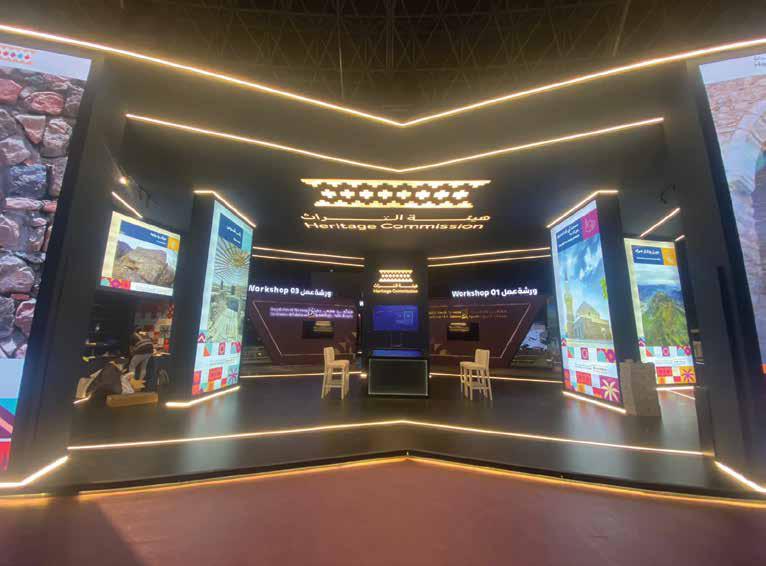
How to choose the mall, and the spot inside it
The question is not which mall is most famous. It is where your audience stands still for two minutes, and whether its requirements let you build what you have in mind. Three criteria settle it:
- Footfall at your hours. Ask for traffic by hour, not by day. A mall that is excellent in the evening can be empty in the morning, and your activation may run in the morning.
- The neighbours. Being near the shops your audience came for matters more than being near the entrance. A fragrance activation beside a sports store talks to the wrong people.
- Natural stopping points. Near lifts, cafés and seating, because people already pause there and what you need is a pause, not a pass.
If your project is in a particular city, the local detail is on its page: events in Riyadh, events in Jeddah and events in Dammam. Examples of delivered work are in our portfolio.
What to measure when it comes down
What a marketing manager is asked after a mall activation ends is not whether the kiosk looked good. It is what came of it. Measurement starts before launch rather than after, because what you did not prepare for cannot be counted later.
| Metric | How it is measured | Why it matters |
|---|---|---|
| Stops per hour | A hand counter or a simple app with the staff | Separates a good position from a good build, and shows your best hours |
| Completed conversations | Log every exchange that passed a minute | Walking past is not interest; a conversation is where selling starts |
| Scans or sign ups | A QR code unique to this activation | A number nobody can argue with, and it links the event to what followed |
| Cost per interaction | Total cost divided by completed conversations | Makes comparison with any other marketing channel possible |
| Samples or gifts handed out | A stock count at the start and end of each shift | Controls cost and reveals whether distribution has any targeting |
Agree these five with your builder before installation, and ask for a daily report rather than one report at the end. A daily report lets you move the position, the message or the operating hours on day two, instead of discovering the mistake after the run is over.
Frequently asked questions
What does a mall kiosk cost in Saudi Arabia?
The largest item is the space rental, set by the mall, the season and the position, and it can exceed the cost of the build itself. Fabrication and installation move with area, materials and how long you run. Always ask for the two numbers separately: one from the mall, one from the builder.
Which malls in Saudi Arabia allow activations?
Most large malls in Riyadh, Jeddah, Dammam and Khobar run a mall activation programme through their leasing department, and the smaller community malls usually do too. What differs is the rate card and how strict the requirements are: some hand you a full fit out manual, others give you a single page and expect you to ask. Assume nothing is permitted until it is written down.
What is the shortest workable period?
Most malls start at one week, and some accept three days in peak season at a higher rate. A short run raises the share of installation and dismantle in the total, because the same two nights are paid whether you run for three days or thirty.
Do I need a government permit as well?
An activation inside a mall is usually governed by the mall’s own approvals. Extra permits appear with food and drink, with competitions and prizes, and with large open events. Ask mall management early, because they know what their own location requires.
Can the kiosk be reused in another mall?
Yes, if it is designed to be dismantled from the start, and that single decision saves more than any other. Design around the narrowest loading door you expect to pass, and keep the graphics replaceable on their own.
Who carries liability for damage on site?
The builder, and that is what protects your refundable deposit. Put it in the contract that floor and wall protection and any repair sit inside the scope of work, and that the builder holds liability insurance the mall accepts.
How is a mall kiosk different from an exhibition stand?
The audience and the rules. A visitor to an exhibition stand came to look and compare; a mall visitor came for something else and needs a reason to stop. So a kiosk is visually simpler and faster to read, and it sits under stricter requirements. If you are still comparing suppliers, start with how to choose an events company before you book anything. Industry references such as UFI, the global association of the exhibition industry are worth reading too.
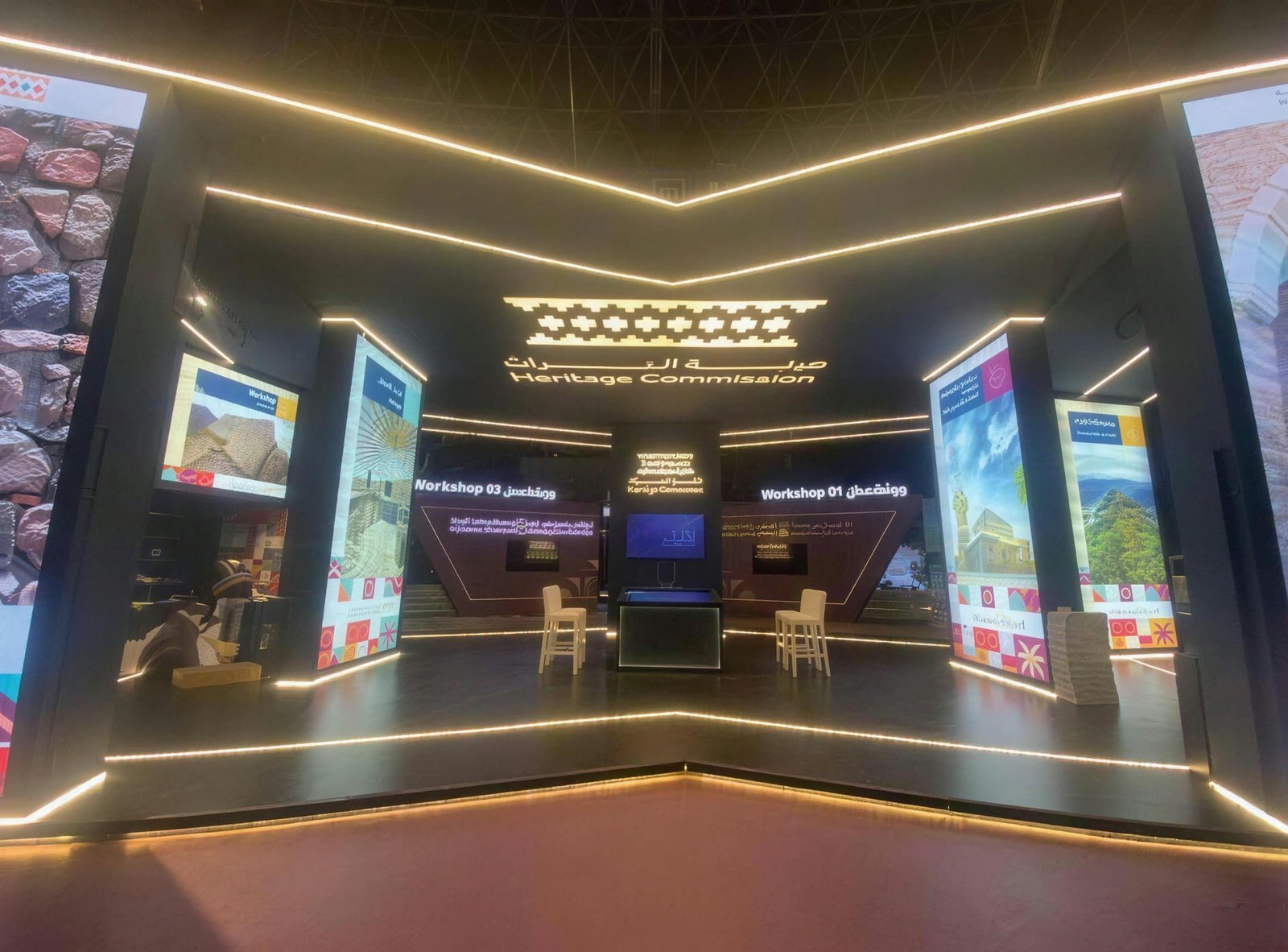
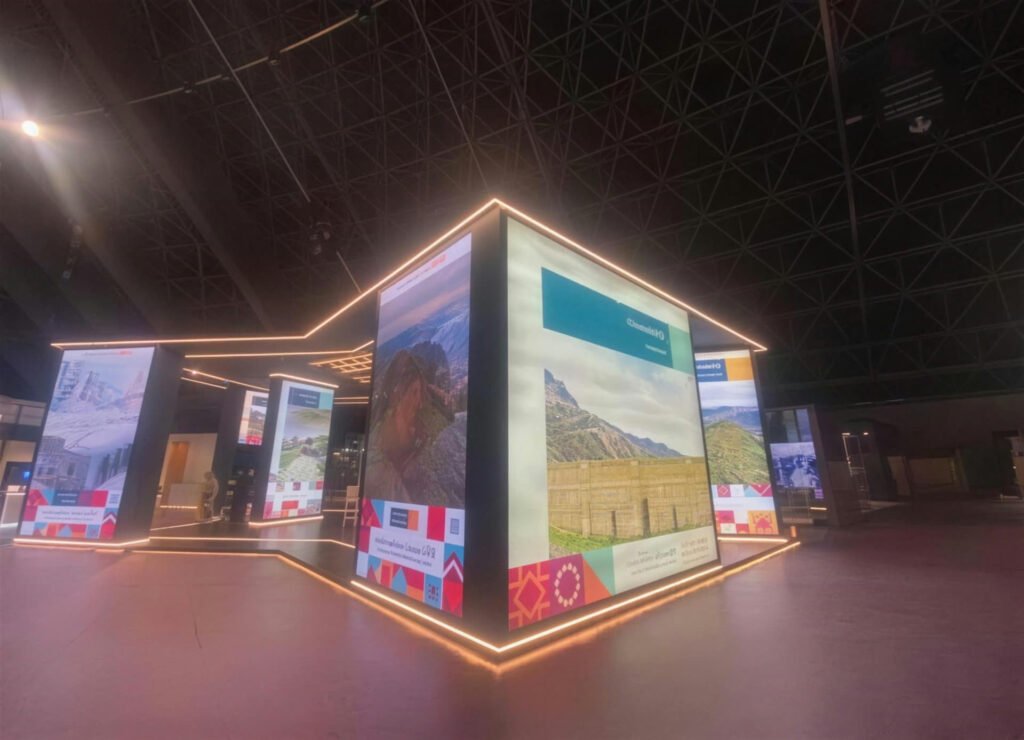
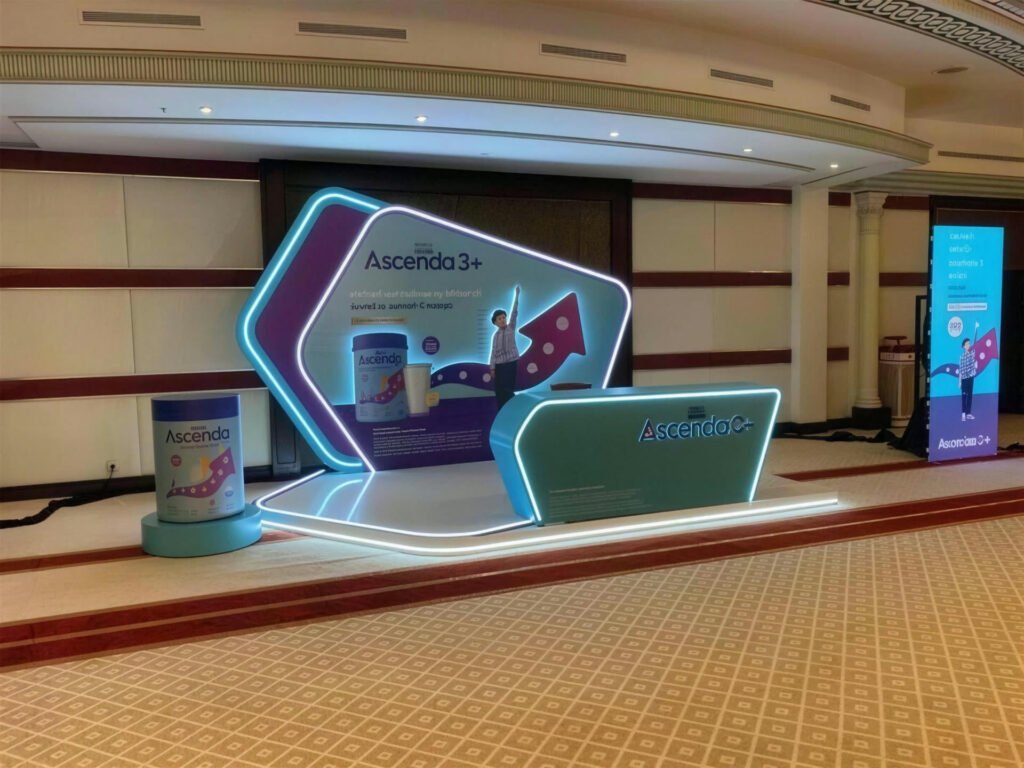
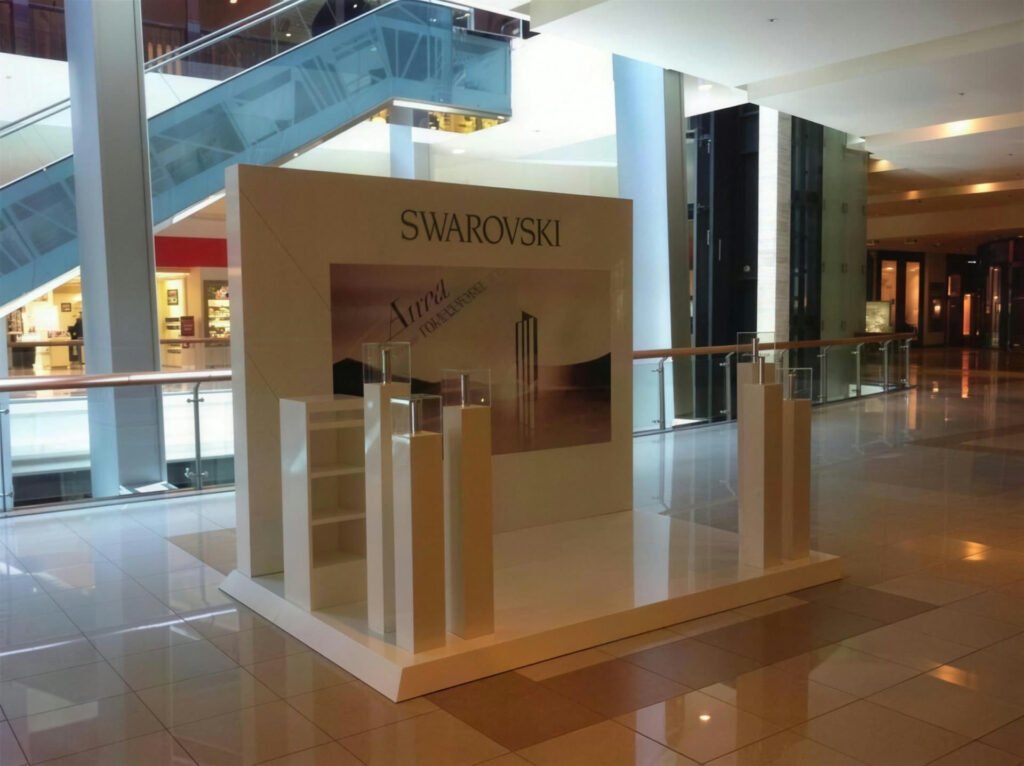
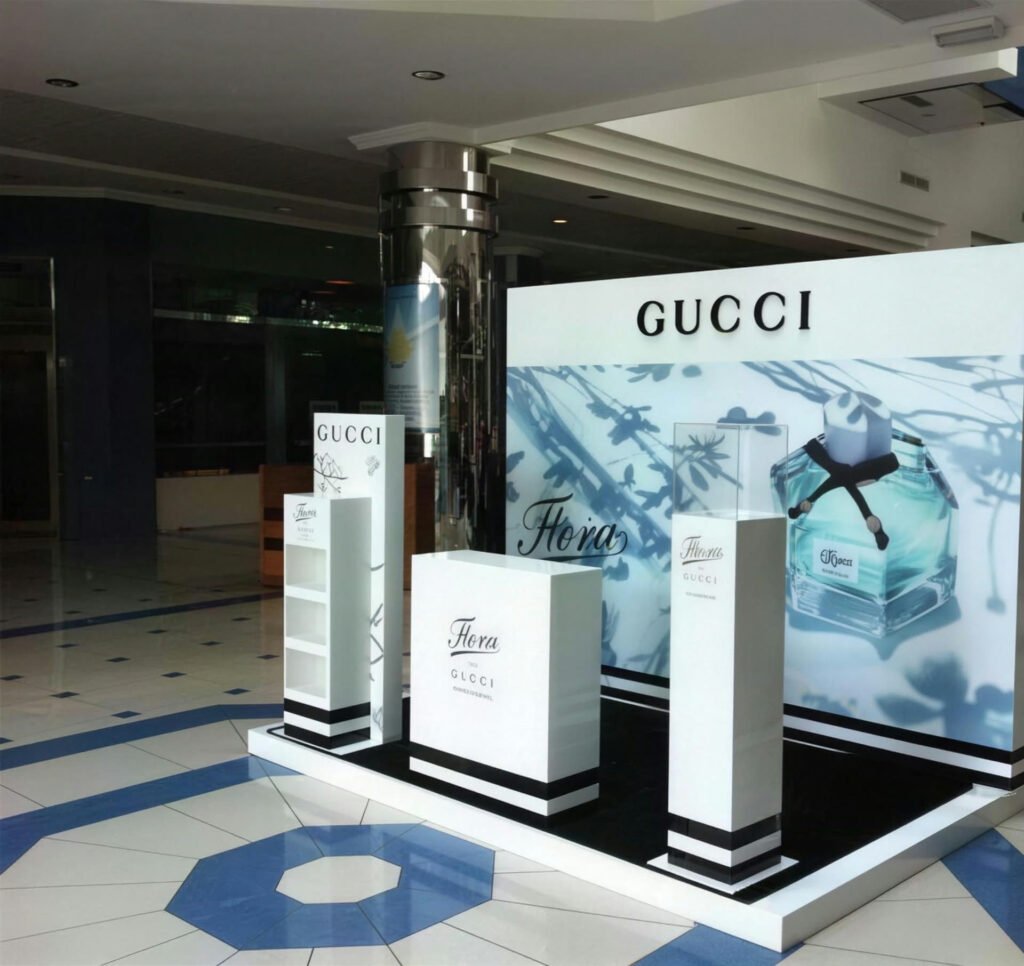
Stands we designed, built and installed
Photographed on site after handover, no renders.
Have a project and want a real number?
Send the area, the date and the city, and we come back with an itemised quote within 24 hours. No commitment, and no vague all-in price.

