
Festival Organisers in Saudi Arabia
Festival Organisers in Saudi Arabia Start With the Site Plan
A public festival is open for several days, usually outdoors, to families who arrive in waves and to many small sellers who have never traded at an event before. Festival organisers in Saudi Arabia, whether a municipality, a tourism or culture body, a mall, a destination owner, a company or a charity, carry all of that on one plan. This page explains how that plan is put together, from the first site visit to handing the ground back clean, and the part The Touch takes in it: we design the physical festival, build it in our own factory, install it with our own team and staff it with hosts and promoters under a supervisor.
Why a Festival Is Not a One Evening Event
A gala dinner is built in the afternoon and gone before dawn. A festival has to open again tomorrow, and the day after, under the open sky. Four differences shape every decision festival organisers in Saudi Arabia take.
Days of wear, not hours
Every counter, sign and floor graphic is touched, leaned on and walked over by visitors for as long as the festival runs. Materials are chosen to be wiped down and repaired where they stand, spare prints and fixings are kept on site, and a crew resets the place every night so that the last evening looks like the first.
Heat, wind and open sky
Outdoors there is no wall to fix anything to. Structures stand on weights, printed faces let the wind through, and shade decides where visitors sit and how long they stay. Most of the trade happens after sunset, so a festival is designed as a night place first: lit fronts, lit paths and signs that can be read in the dark.
Crowds that arrive in waves
Visitors do not come at an even rate. A weekday afternoon is quiet, then families arrive together after the evening prayer and on weekend nights. Gates, queue space, toilets and the popular stalls are sized for the wave, not for the average hour.
Sellers who are new to events
Many of the people behind the counters are home businesses, family producers and young brands, not exhibition professionals. They need a booth that is ready when they arrive, a single page of instructions, and somebody on site to ask.
What One Team Brings to the Festival Site
Each of these is a department of the same company with a page of its own. A festival draws on several of them at once.
Experiences & Events
The parent service for festivals, bazaars and family days, where the site plan, the build and the floor team are planned as one job.
Exhibition Stands
Seller booths in a uniform kit, sponsor stands and photo spots, from the factory that makes our exhibition stands.
Printing & Promotional Gifts
The gate skin, booth name boards, directional signs, banners and the printed map at the entrance. Graphics are printed in 1 to 5 working days.
Acrylic & Wood Fabrication
Lit letters for the gate and the stage backdrop, counters, and photo spot props cut by CNC and laser.
Promoters & Brand Ambassadors
Hosts at the gates, the information point and the kids zone, briefed on the programme and led by a supervisor.
Branding & Creative Studio
The festival identity: a name, a colour set and a pattern that carry from the gate to the booth boards and the signs.
Digital Solutions
A registration form for visitors that leaves you a database after closing night, and screens showing the programme of the day.
Social Media & Content
Photos and short clips published while the festival is open, when they can still bring visitors in tomorrow.
Six Kinds of Festival and What Each One Asks For
One word covers very different events. Festival organisers in Saudi Arabia find that the kind decides the zones on the site plan, the opening hours and where the budget goes.
Seasonal and national occasions
National Day, Founding Day, Eid, Ramadan nights and the winter and summer seasons. The date is set by the calendar and shared with every other organiser in the city, so crews, transport and print are booked early, and the identity has to respect the occasion itself.
Shopping festivals and bazaars
Rows of small sellers are what visitors come for. The work is in the booth kit, fair positions between sellers, numbering that matches the map, and a route that passes every row so the stalls at the edges do not starve.
Food festivals
Cooking brings its own demands: more power per stall, water, somewhere for oil and waste to go, smoke that has to drift away from the seating, and queues that form at a few famous names. The municipality and the food authorities decide what each seller needs before trading.
Heritage and culture festivals
Craftspeople working in front of the public, traditional dishes, folk performance and corners for the regions. The build borrows from local architecture and its materials, signs tell visitors what is on show, and a craftsperson needs shade, a seat and light to work by for long hours.
Family and kids festivals
The children decide how long the family stays. That means a fenced kids zone, seating for parents within sight of it, a baby care room and toilets close by, paths wide enough for pushchairs, and a programme that starts early in the evening.
Corporate and community festivals
A company family day grown to public scale, a charity fundraiser, a university or neighbourhood festival. Budgets are tighter and volunteers carry part of the work, so the plan leans on a simple kit, clear roles and sponsors who get something visible in return for their support.
Six Stages From the Site Visit to the Handback
The order matters more than the speed. Each stage produces a document the next one depends on.
The site visit
We walk the site with you: the surface and its slopes, the entrances a car and a truck can use, the existing power and water points, the trees and buildings that give shade, the neighbours and the prevailing wind. The site is worth seeing at the hour the festival will be busiest, which is usually after sunset.
The site plan, the first document
One scaled drawing shows the entrances and exits, a one way loop that visitors walk, the zones for food, shopping, kids, stage and seating, the prayer areas, toilets, first aid, parking and drop off, and the service roads used for restocking, which never cross the visitor route. Nothing is priced in detail or printed before this drawing exists.
Approvals and the responsibility list
The landowner, the municipality and the relevant authorities decide, and the organiser submits the request. We prepare the drawings and paperwork they ask for. Beside the site plan sits a list naming who is responsible for every line we do not supply, such as performers, ticketing, rides, generators, toilets, catering, security, cleaning and medical cover.
Identity, sellers and production
The festival identity is approved once, then applied to the gate, the booth boards, the flags along the approach road, the signs and the staff uniforms, so visitors read the place as one festival from the car park onwards. Sellers are confirmed, and each receives a booth number and a single briefing sheet. Gates, booths, signs, photo spots and the stage set are built in our own factory and test assembled before loading.
Build, move in and the safety walk
Our own team installs on site in the days the landowner allows. Sellers then move in to a timetable, row by row, so their cars are gone before visitors arrive. Before the gates open, the organiser, the supervisor and whoever is responsible for safety walk the whole route, and every open point is closed on a list.
Festival days, dismantling and handback
Each day starts with an opening check of lighting, signs, power and stock, and ends with an overnight reset: repairs, restocking, cleaning by the cleaning contractor and a note of what ran short. After the last night we dismantle what we built, and the site is walked with the landowner and handed back clean.
What Decides the Lead Time
The first quote
An itemised quote within 24 hours of a brief that names the site, the dates and the areas you need.
Graphics
Printed in 1 to 5 working days once the artwork is approved. The seller list is what usually delays it, because every name board waits for it.
The whole festival
It depends on the size of the site, the approvals and how early the seller list is final. The plan states the dates.
Approvals
Nobody can promise a reply date on behalf of a landowner or an authority. Ask each of them at the start what they want to see, and submit early.
What Moves a Festival Budget
We publish no price list, because no two sites are alike. Six factors move the total for festival organisers in Saudi Arabia, and each appears as its own line so that a committee can cut one without guessing what it does to the rest.
The size of the site
A longer route for visitors means more signs, more lit positions, longer cable runs and more hosts to cover it. A compact layout on part of the land often feels busier, and costs less, than spreading thinly over all of it.
Days and opening hours
What is built is paid for once. Hosts, the supervisor, the standby crew and consumables are counted by the day and by the shift, and a festival that opens in the afternoon and closes after midnight needs more than a single shift.
The number of seller booths
A booth is priced per unit, with what the kit includes written down: frame, counter, name board, light and socket. That unit figure is what the organiser sets against the participation fee each seller pays.
One edition or built to return
A gate, a stage set and booth frames made for a single edition are cheaper to make. Made to be dismantled, stored and dressed again, they cost more in the first year, and a new printed skin plus installation in the years that follow.
Shade, lighting and power
These three decide how comfortable visitors are, and they are the easiest to underestimate. The budget needs a line for shade over seating and queues, a line for lighting the paths and not only the stalls, and a line for distributing power to every row, whoever supplies each of them.
Lines other specialists carry
Performers, ticketing, rides, generators, toilets, catering, security, cleaning and medical cover are arranged by the organiser with a specialist for each. They still belong in the same budget sheet, each with a named owner, so that no line is missing on opening night.
Send the site, the dates, the kind of festival and the number of sellers you expect, and an itemised quote reaches you within 24 hours. Where transport applies, it is a named line in the quote. Request a quote or message 0567069088 on WhatsApp. When a sponsor wants a stand of its own inside the festival, our guide to exhibition stand cost in Saudi Arabia shows how that budget is put together line by line.
Where Festivals Are Held and Who Decides
A corniche, a public park, a heritage quarter, the car park of a mall, the waterfront of a destination, a school or university campus, a farm at the edge of town: every kind of site changes the plan. A paved car park gives a level surface and no shade. A park gives trees, and soft ground that trucks may not be allowed to cross. A heritage quarter gives atmosphere, narrow lanes and walls that nothing may be fixed to. In most of the Kingdom the open air months run from autumn to spring, and summer festivals move to the cooler highlands, indoors or to the hours after sunset. Whatever the site, the landowner, the municipality and the relevant authorities decide what is permitted, and festival organisers in Saudi Arabia submit the file. We prepare the drawings and paperwork they ask for, and the approval is theirs. A festival is planned inside our experiences and events service and delivered with event management across Saudi Arabia, including Riyadh and Jeddah. The entrance has a page of its own, event entrance arches and gates, and so does the corner for the youngest, kids activity zones for events. Hosts come from our promoters and brand ambassadors team, and signs, banners and booth boards from printing and production.
Five Tests for Choosing Who Builds and Runs It
Festival organisers in Saudi Arabia usually compare several offers. Put these five questions to every company on your list, this one included.
Do they ask about the ground before they give a price?
A company that prices a festival from a headcount has priced a guess. The right first questions are about the site: its plan, its surface, its access and its power. The first thing you receive should be a drawing, not a brochure.
Who makes the gate, the booths and the signs?
When each comes from a different supplier, the colours differ, the sizes clash and nobody owns the gap between them. Ask whether one factory holds the files for all of it, and ask for outdoor work it has delivered before, standing on weights and lit at night.
Who is on site every day, by name?
A festival needs one supervisor whose number the landowner, the sellers and the security team all have, hosts who were briefed before opening day, and somebody able to repair a sign or a light the same evening.
Does their plan name an owner for every line?
No single company supplies everything a festival needs. An honest offer says what it covers, and lists performers, ticketing, rides, generators, toilets, catering, security, cleaning and medical cover with the party responsible for each.
What happens after the last night?
Ask how long dismantling takes, who walks the site with the landowner, where the frames that will return are stored and which report you receive. A company that only talks about opening night has not seen a festival through to its end.
Six Mistakes That Cost a Festival Its Visitors
None of them is a design mistake. Festival organisers in Saudi Arabia settle all six on the site plan, before the first truck moves.
Restocking across the visitor route
A seller who runs out of stock at the peak hour will drive a car up to the booth if nothing prevents it. The service road stays behind the rows, deliveries are timed before opening, and a route for a hand trolley is marked for the evening.
Leaving through the way in
When arrivals and departures share an opening, the incoming wave of visitors meets families going out with tired children and shopping bags. Separate the exit, and put the last photo spot and the sponsor wall on the way to it.
Power counted by booth, not by appliance
A seller with a fryer, a fridge and a coffee machine draws many times what a seller with a lamp and a card reader draws. Ask every seller on the registration form what they will plug in, or the food row goes dark on the first busy night.
Signs that assume visitors know the site
Organisers name zones after sponsors and internal codes. A family arriving for the first time looks for a handful of things: toilets, the prayer area, food and the kids zone. Those words, with arrows and pictograms, belong at every point where the path splits, and they are lit after dark.
The same evening every night
If the stage, the stalls and the activities are identical each night, visitors have no reason to return and nothing new to photograph. Change something daily, a guest seller, a competition or a themed night, and announce it at the exit and on the screens.
No handback agreed with the landowner
The festival ends, the crew is tired, and the ground is left with tape, stains and marks where the weights stood. Agree the handback condition in writing before the build, photograph the site before the first truck arrives, and book the dismantling as firmly as the opening.
The Factory and Team Behind the Festival Site
A festival is many small builds that have to look like one, which is why festival organisers in Saudi Arabia ask who makes each of them. Design, CNC and laser cutting, joinery, paint, acrylic, large format print and installation sit under one roof with us, so the gate, the booth boards and the directional signs are drawn from one file and made by people who talk to each other. We have more than one location in the Kingdom. Your festival is built in our own factory and installed by our own team, who stay for the opening and dismantle at the end. Our stands and displays have stood for Kinan, the Heritage Commission, Saudia Holidays, Johnson & Johnson MedTech and Cartoon Network.
Celebrations We Delivered
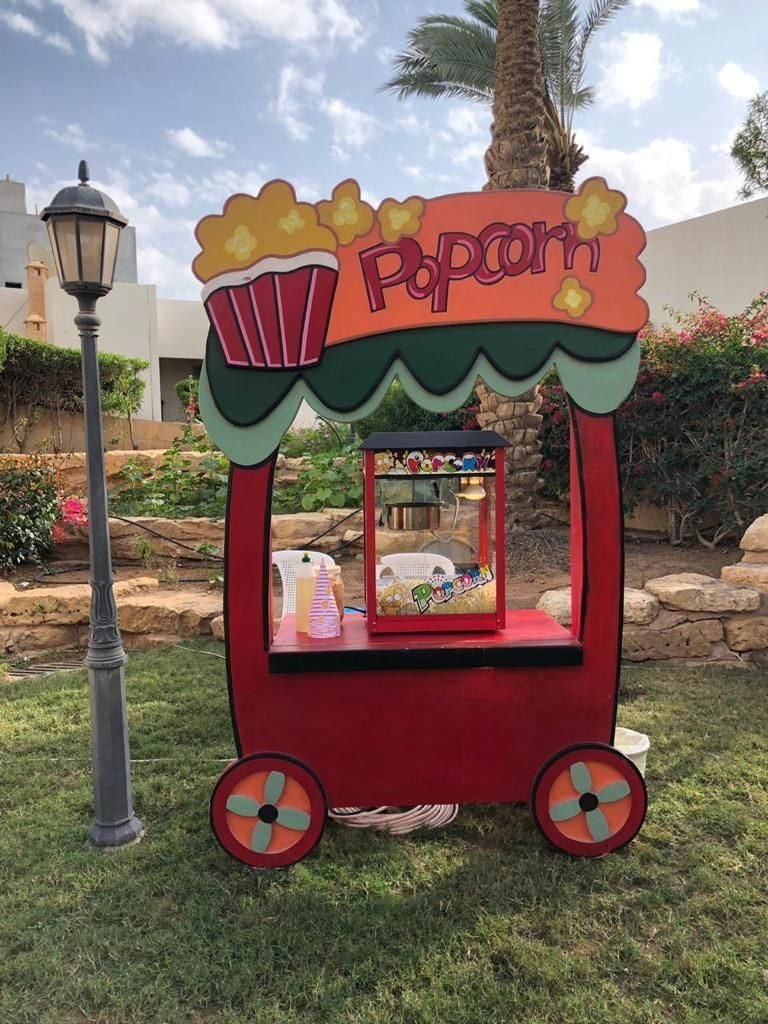
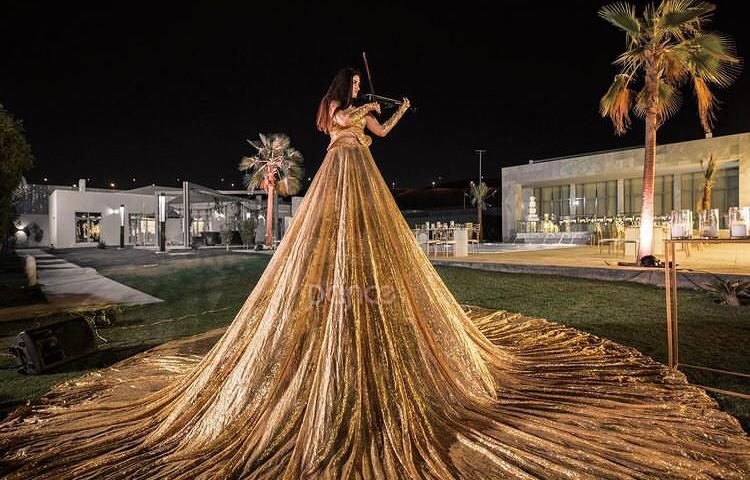
Corporate celebrations and occasions set up by our team.



Questions Festival Organisers in Saudi Arabia Ask Before They Start
Asked by municipal teams, destination managers, mall marketing departments and charity committees before a first edition.
What do festival organisers in Saudi Arabia have to arrange, and which part do you take?
A public festival needs a site, approvals, a programme, sellers, a physical build, staff, and services such as power, toilets, security, cleaning and medical cover. We take the physical festival and the floor team: gates, seller booths, signage, photo spots, kids zones, the stage set and backdrop, branding and print, with hosts and promoters under a supervisor. We do not book performers, run ticketing, supply rides, generators, toilets, catering, security, cleaning or medical cover, or obtain licences. The plan names who is responsible for each of those lines.
How should visitors move through the site?
In one direction, on a loop that passes every zone and returns to the exit. Queue space is drawn at the gate and in front of the stalls expected to be popular, so a line never blocks the path behind it. Seating and shade sit just off the loop, where people can stop without stopping everyone else.
What does a seller booth include, and how are sellers briefed?
The booth is a uniform kit: a frame, a counter, a name board in the festival identity, a light and one socket, with a number that matches the map. Each seller receives one sheet with the booth number, the move in time, where to park, what may be plugged in, the opening hours, the restocking rules and the phone number of the supervisor. A uniform kit is what makes many different sellers read as a single festival.
How are shade, lighting and power planned?
Together, because they decide how long visitors stay more than any decoration does. Shade goes first over the queues, the seating and the kids zone. Lighting covers the paths, the signs and the car park as well as the stalls, and power is distributed row by row from the source the organiser arranges, with every cable crossing covered. The plan names who supplies each of the three.
Who approves a public festival?
The landowner, the municipality and the relevant authorities, each on their own part, and the organiser submits the request. What they ask for differs by city, by kind of site and by kind of festival, so ask each of them at the very start. We prepare the drawings and paperwork they ask for, and we neither issue nor obtain the licence.
What is the plan for wind, rain and summer heat?
Each has a written answer before opening. For wind: structures on weights, mesh faces, and a rule agreed with the organiser for when flags and light items come down or the gates stay closed. For rain: covered cable joints, stock raised off the ground and paths that do not turn to mud. For heat: later opening hours, shade, drinking water points and a cool place for visitors to sit, or a move indoors or to the highlands.
How are families, women, children and visitors with disabilities planned for?
Families are the main audience, so the plan starts from them: a prayer area for women and one for men, a quiet room for mothers and babies, toilets near the kids zone and seating from which parents can see their children. We provide female hosts where the event asks for them. Paths stay wide and firm for wheelchairs and pushchairs, with a ramp at every change of level, parking close to the gate and a counter at a height a seated person can reach.
How should the programme change across the days?
Weekdays and weekends are two different festivals. Midweek evenings suit school trips, workshops and quieter family visits, while weekend nights carry the headline acts and the largest crowds, with the peak after the evening prayer. Give each day something that was not there yesterday, so visitors have a reason to return. The organiser books the performers, and the stage set and the daily programme boards follow the schedule.
How do we measure whether the festival worked?
Count visitors at the gate hour by hour and not only in total, so that staffing at the next edition follows the real curve. Ask every seller on the last night how sales compared with what they expected and whether they would come back. Note how long families stay, from car park ticket times or a short survey at the exit, and collect the photos and clips visitors posted. Those records are what a sponsor or an authority asks to see before the next edition.
Where is the festival built, and how do we start?
We have more than one location in the Kingdom. Your festival is built in our own factory and installed by our own team. Send the site, the dates, the kind of festival and the expected number of sellers on WhatsApp at 0567069088 or through the quote page, and an itemised quote follows within 24 hours.
Planning a Festival for the Coming Season?
Send the location, the dates and the kind of festival. Within 24 hours you have an itemised quote, and the site plan follows as the first drawing.
More specific pages on this
If your question is narrower than this page, these are written for one question each.

